Published on 24/02/2025 & updated on 10/05/2026.
Dry rot is one of the most destructive fungal decays that can affect buildings. This fungus is highly invasive and, if not addressed promptly, can rapidly infest the structural timber in your home.
Timely treatment is crucial, as the cost of dry rot repairs can escalate into the thousands, and unfortunately, dry rot is rarely covered by insurance.
So, how do you know if you have dry rot?
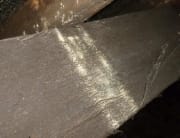
In short, you can recognise dry rot by looking out for the signs, which include dry, light-coloured and mostly large cracks to the timber, which are cuboidal and crumble easily.
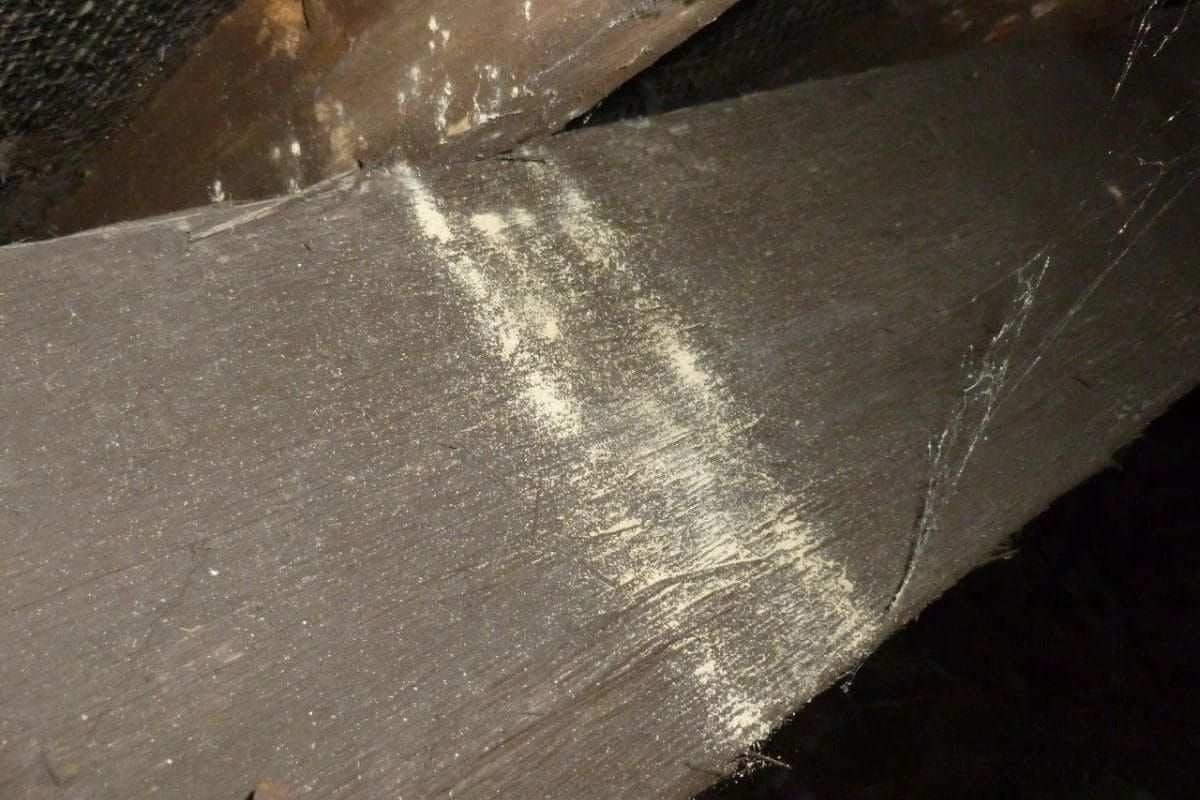
Early signs are grey or white web-like strands called hyphae spreading across surfaces. If the fungus develops, it can look more like a mushroom with a red or orange colour.
As dry rot can spread beyond wood into brick and plaster, a thorough inspection and treatment are crucial to prevent severe damage later.
In this guide, we’ll cover how dry rot occurs, the visible signs, and how to treat the attack and prevent it from spreading further through your home.
How Does Dry Rot Occur & Spread?
Dry rot occurs when airborne spores land on damp wood with a moisture content above 20%, providing the fungus with the perfect place to grow.
Once the spores settle, they germinate and form fine grey strands called hyphae, which spread through the timber, feeding on it and drawing out moisture. As the fungus develops, it forms a thick, cotton-like layer called mycelium, helping it spread even further.
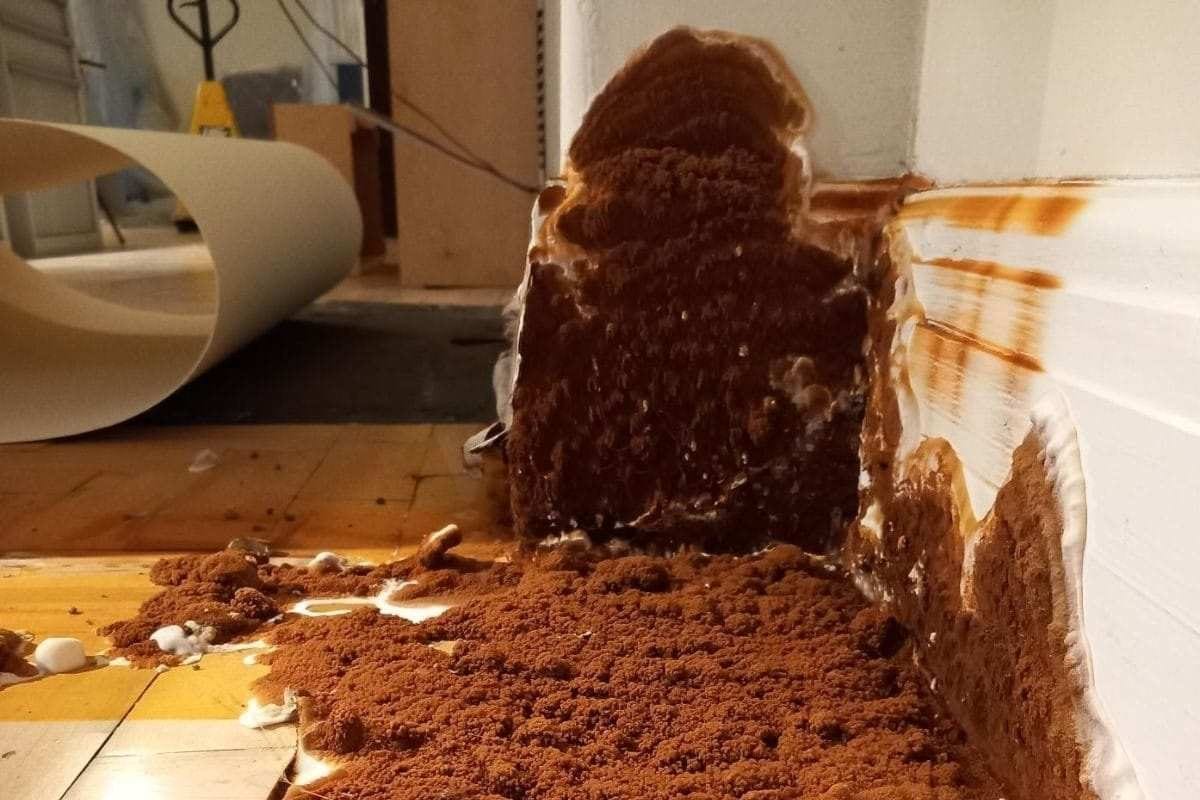
Dry rot occurs when airborne spores land on damp wood with a moisture content above 20%.
Over time, this produces a mushroom-like fruiting body known as a sporophore. This releases more spores, which continue the cycle.
Unlike many other forms of fungal decay, dry rot can spread beyond the original source of moisture. It’s capable of travelling through walls and behind plaster, allowing the fungus to affect hidden areas of a property before visible signs appear. In severe cases, dry rot can spread rapidly throughout floor joists, roof timbers and structural woodwork, significantly weakening the integrity of the building.
Dry rot thrives in damp, poorly ventilated spaces, so any leaks, faulty drainage, water damage, or condensation can create the ideal conditions.
What Does Dry Rot Fungus Look Like?
Now you know how dry rot happens, but how do you know if you have dry rot?
This fungus can be hard to spot in its early stages, but there are several key signs to watch out for, including:
- White or Grey Mycelium: Dry rot often begins with a white or grey cotton wool-like substance on the timber’s surface. This is mycelium, the fungus’ main body, which spreads quickly and signals an active infestation.
- Cracks in Wood: As the fungus consumes the wood, it forms distinctive cracks that look like little cubes.
- Warped and Discoloured Timber: Timber affected by dry rot often loses its original shape, either warping or distorting. The wood can also darken to a rusty or brown shade, showing visible signs of deterioration as the fungus continues to break it down.
- Earthy or Musty Smell: A tell-tale musty odour often accompanies dry rot, smelling earthy, like damp mushrooms. If you notice this smell in areas where moisture is common, like attics, this is a strong sign of an underlying rot problem.
- Fruiting Bodies: Dry rot that is left to mature produces fruiting bodies, which are flat, rust-coloured mushroom structures. These growths, often with wide pores, release spores that help the fungus spread to new areas, continuing its destructive cycle.
- Fragile Wood or Hollow Sound: You may notice a hollow sound when tapping affected timber, as dry rot weakens the wood. This can make the wood brittle and fragile, crumbling easily when you apply pressure.
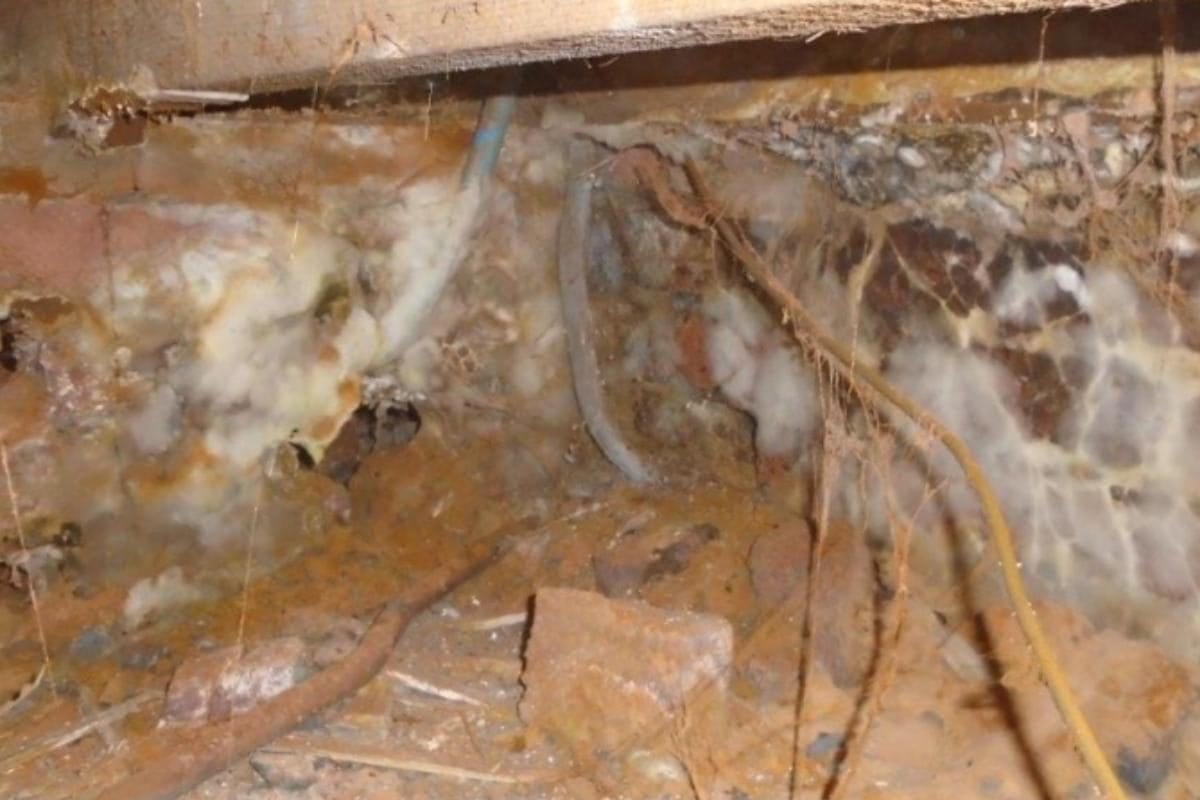
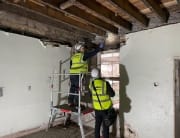
At a property in Rumney, Cardiff, Protectahome was called in to tackle a severe dry rot infestation. Our team replaced damaged floor joists with fresh timbers, treated all affected areas, and improved ventilation by installing sub-floor vents and fitting a new ACO-drain to restore the property.
How Serious Is Dry Rot?
Dry rot is a major concern for property owners as it can spread rapidly, without much warning. It can easily travel from one piece of timber to another, making it hard to contain.
The most serious concern is the structural damage dry rot causes. UK homeowners typically spend £3,000 a year on repairs, and this can quickly increase if dry rot isn’t taken care of. The affected timber becomes increasingly weak, eventually leading to the collapse of structural elements, which poses significant safety risks.
If you notice one affected area, it’s likely that the rot has already spread to other parts of a building, particularly where moisture is present.
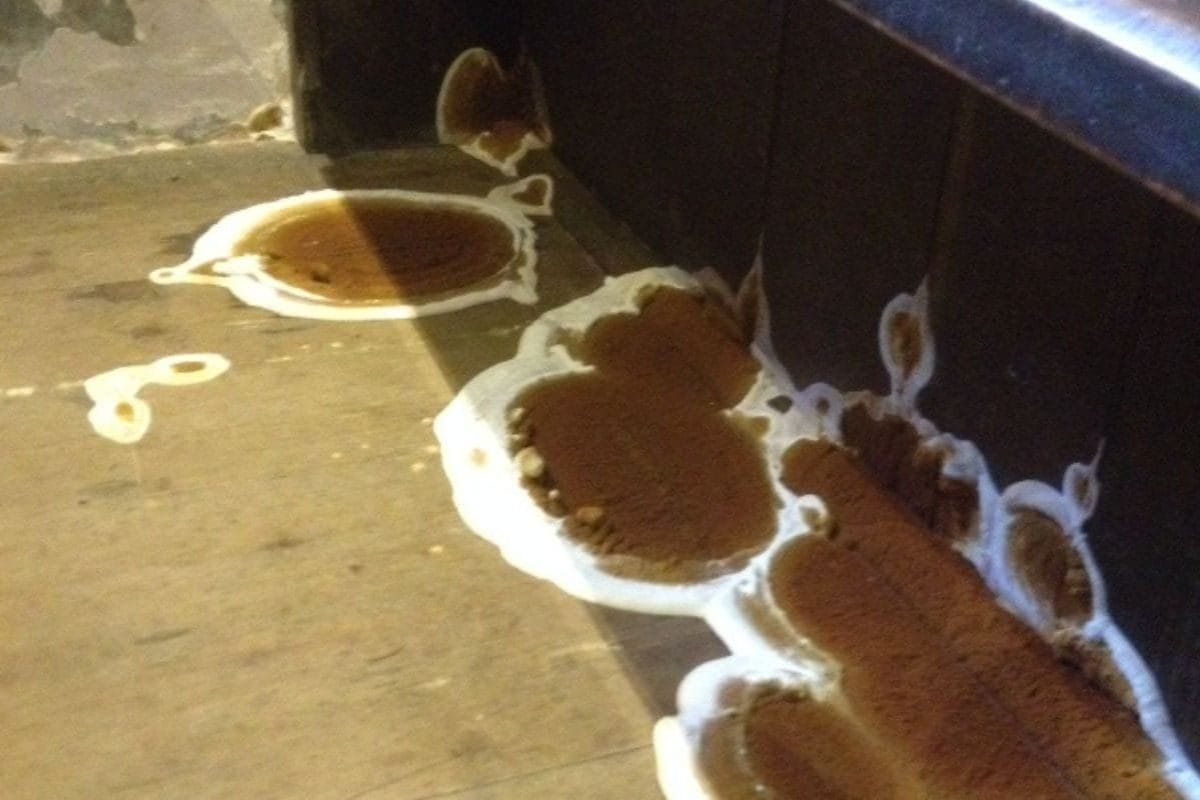
Dry rot can weaken timber, eventually leading to the collapse of structural elements, which poses significant safety risks.
One of the challenges with dry rot is that it doesn’t require as much moisture to start growing. Dry rot can take root in wood with a moisture content of over 20%, which makes it more likely in UK homes with poor ventilation or poorly maintained homes with damp ingress issues.
Dry rot itself isn’t directly harmful to health, but the damp conditions it thrives in can lead to other issues, like mould growth. Mould spores can be a risk to people with respiratory conditions or weakened immune systems.
Addressing dry rot promptly will protect your property’s structure and the health of anyone living within it.
How Best to Treat Dry Rot
If you have noticed the signs of dry rot, it’s important to address it as soon as possible. Dry rot is a serious issue, which is why professional treatment is essential in eliminating the problem.
It’s not enough to simply address visible damage; a full inspection is essential to understand how far the rot has spread, including the moisture source that is helping the fungus thrive.
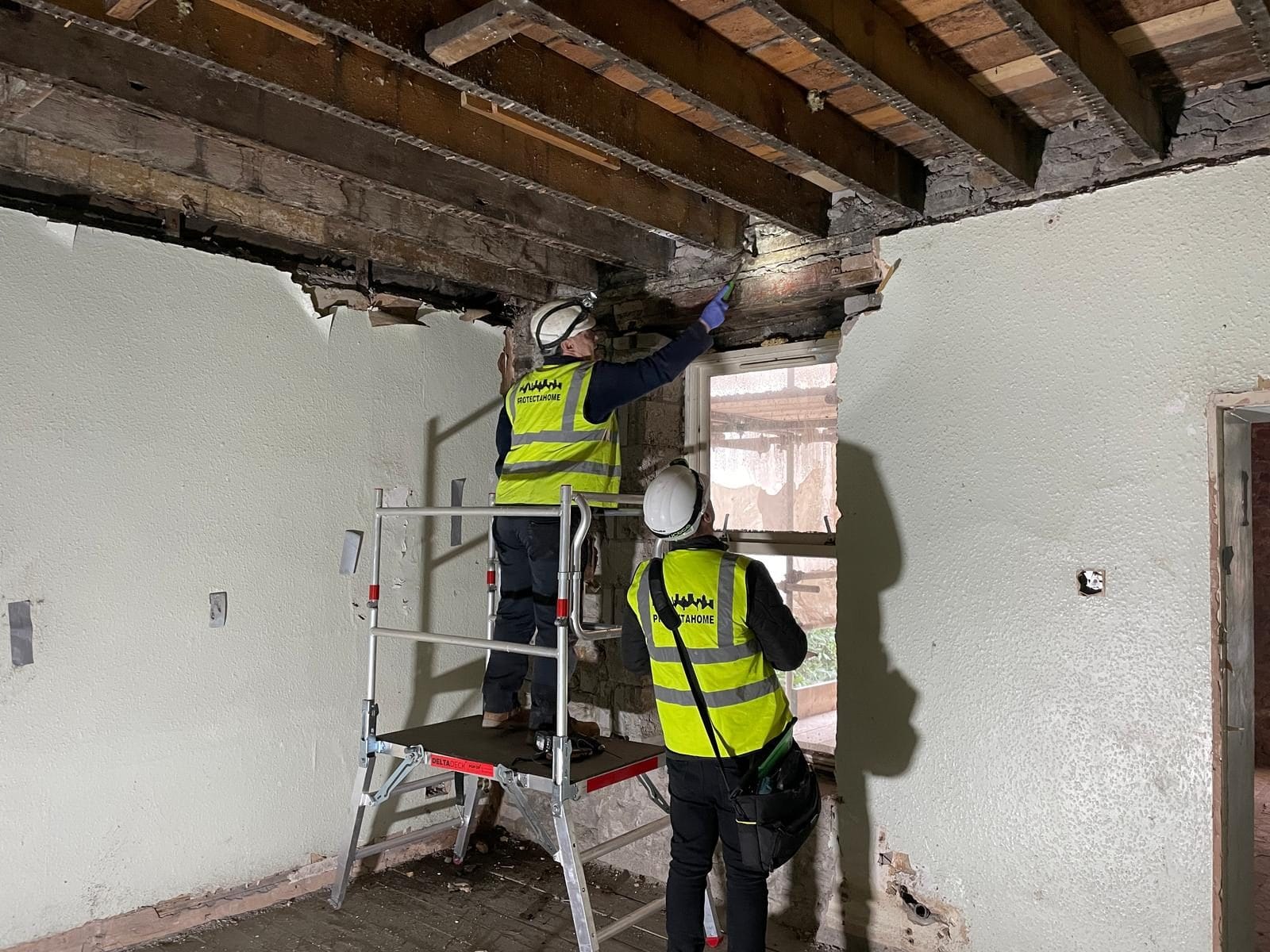
Dry rot can affect multiple areas of your property, so it’s important to treat it from all angles. Specialised surveyors are experienced in locating the full extent of a dry rot problem, including hidden areas, and identifying the moisture issues behind it.
These experts, like the ones at Protectahome, work with conservationists and building historians when dealing with older properties. This helps keep treatment effective without compromising the structure’s historical value.
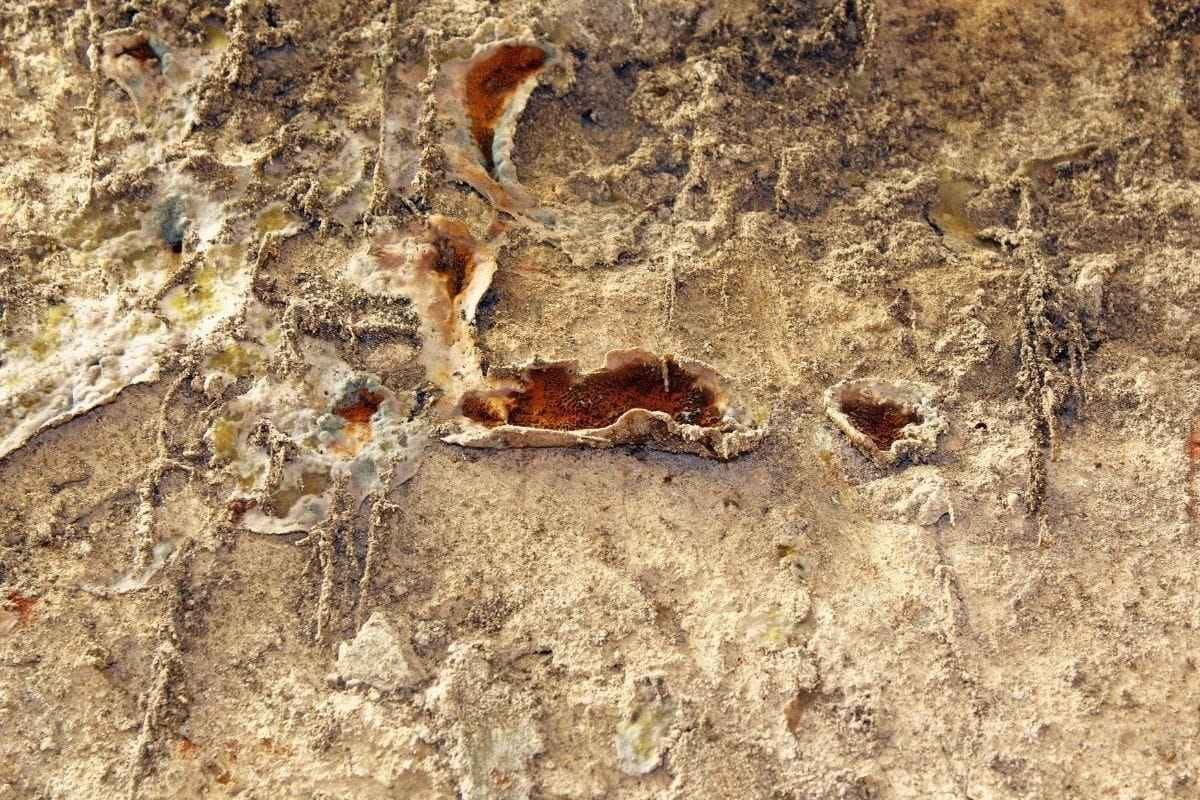
Specialised surveyors are experienced in locating the full extent of a dry rot problem, including hidden areas, and identifying the moisture issues behind it.
A dry rot treatment process should include a detailed survey, moisture control, and identifying additional affected areas. The treatment which follows should be tailored to each case, removing the rot and preventing further growth.
How to Prevent Dry Rot
If you’re more focused on prevention currently or you want to make sure dry rot doesn’t occur in your building again, you’ll be happy to hear that there are ways to prevent it.
These include:
- Controlling Moisture: Dry rot fungus thrives in damp, poorly ventilated conditions, so reducing excess moisture is the most effective way to stop it from developing.
- Maintaining Good Ventilation: Ensure good ventilation throughout your property, especially in basements, lofts and sub-floor areas where damp air can become trapped. Keeping your gutters, downpipes and drains clear can also help prevent water from penetrating walls and timber.
- Repair Leaks Promptly: Even small, persistent sources of moisture can create the ideal conditions for dry rot to grow, so no matter where your leak is coming from, be sure to repair it quickly.
- Carry Out Regular Inspections: Look out for musty smells, cracking timber or signs of fungal growth, to help you catch dry rot early before serious damage occurs.
How Protectahome Can Help
If you suspect that your home is suffering from dry rot, don’t wait until it causes significant damage. Dry rot can spread quickly and lead to costly repairs, meaning that early detection and treatment are key to preserving your property.
Our team at Protectahome specialises in detecting, diagnosing and treating dry rot infestations. Our thorough surveys and expert treatment plans are tailored to your property’s needs, helping identify and eliminate the moisture that is fueling the rot.
Get in touch today to find out more and book a professional survey of your property, or check out some of the building preservation work that we do.
If you’d like to learn more about building preservation, check out our blogs on ‘What Are the Signs of Woodworm?‘, ‘How Basement Waterproofing Works‘, and ‘What Is Rising Damp in Buildings?‘.