Published on 02/06/2025/ & Updated on 30/05/2026.
Woodworm is one of the most common causes of timber damage in UK properties, often remaining hidden for years before any visible signs appear. As wood-boring beetle larvae tunnel through timber, they can gradually weaken floorboards, roof timbers, furniture, and structural wood, potentially leading to costly repairs if left untreated.
The challenge is that woodworm damage isn’t always obvious. Because the larvae live and feed inside the wood, infestations can go unnoticed until the timber has already been affected.
Knowing what to look for can help you identify an infestation early and take action before more damage occurs.
So, what are the signs of woodworm?
The most common signs of woodworm infestation include small exit holes in timber, fine powdery wood dust (known as frass), weakened or crumbling wood, and sightings of adult wood-boring beetles. Recognising these warning signs early can prevent further damage and help you act before the infestation becomes more severe.
In this guide, we’ll explain how to identify the key signs of woodworm, how to tell whether an infestation is active, and what to do if you suspect wood-boring insects are affecting your property.
What Type of Insect Are Woodworms?
Woodworms are not actually worms. The term refers to the larvae of wood-boring beetles, most commonly, the Common Furniture Beetle (Anobium punctatum). In fact, this species is responsible for an estimated 80% of all wood-boring beetle damage in UK homes, making it by far the most frequently encountered wood-boring insect in British properties.
These insects lay their eggs in cracks or crevices of wooden surfaces. The real damage begins once the eggs hatch. The larvae tunnel deep into the timber, feeding on the cellulose within the wood for several years before emerging as adult beetles to restart the woodworm life cycle.
As the larvae stay hidden within the wood, it can be incredibly difficult to detect an infestation early. By the time the tell-tale signs, like small holes or crumbling timber, become visible, the damage may already be extensive.
What makes things more complicated is that not all visible holes indicate an active problem. Some could be remnants from years ago, or even from before the timber was used in your property. This is why a professional assessment is essential if you suspect woodworm activity.
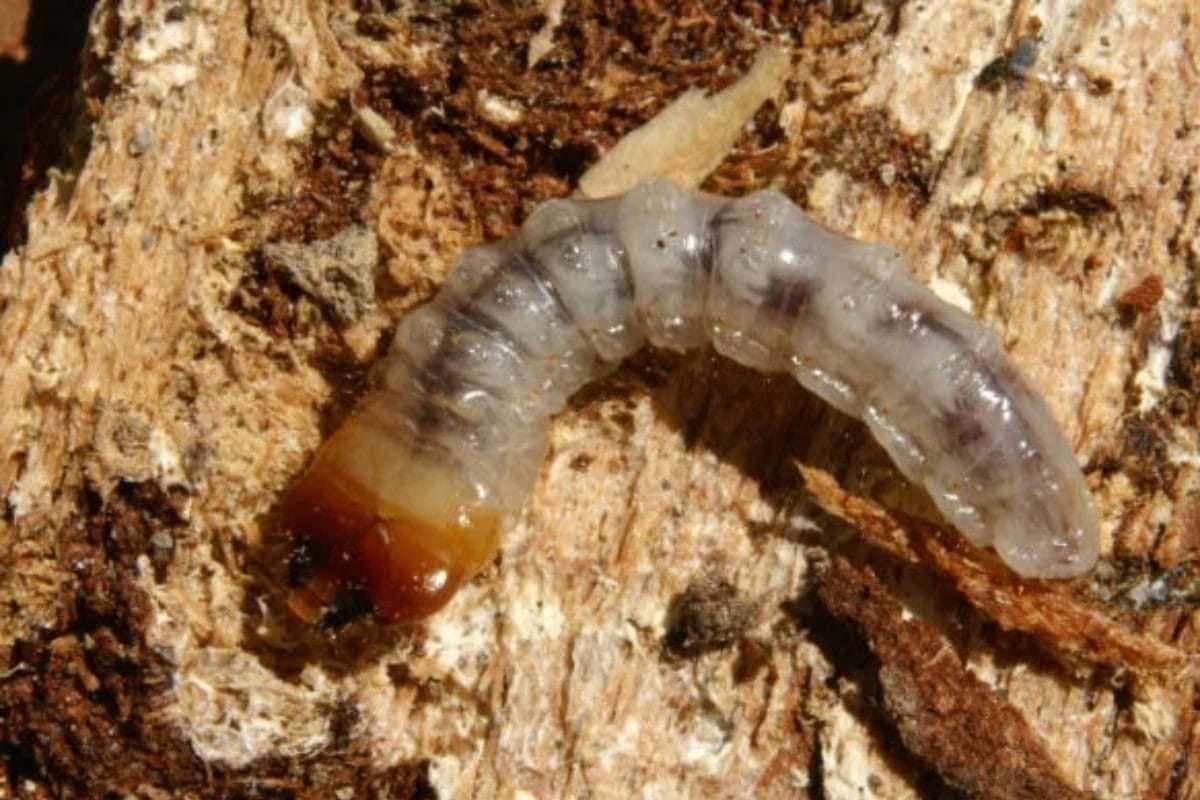
By the time the tell-tale signs of woodworm, like small holes or crumbling timber, become visible, the damage may already be extensive.
What Are the Signs of Woodworm Infestation?
Woodworm infestation signs include small exit holes in timber, fine wood dust (known as frass), weakened or crumbling wood, and the presence of live wood-boring beetles.
Identifying these warning signs early can prevent additional damage and reduce the risk of costly structural repairs.
1. Small Exit Holes
One of the most recognisable signs of a woodworm infestation is tiny, round holes in the wood, usually around 1-2mm in diameter.
These holes are made when the adult beetles emerge from the timber after years of feeding inside it as larvae. They’re essentially the final step in the beetle’s life cycle before reproduction begins again.
Fresh exit holes tend to have clean, sharp edges and may reveal lighter-coloured wood beneath the surface. They usually appear from late spring through to early autumn. On the other hand, older or inactive infestations leave behind darker, more worn holes with less defined edges, sometimes coated in debris.
It’s important to note that not all holes in wood are caused by woodworm. Some may be due to old infestations, other wood-boring insects, or even the natural characteristics of the timber itself.
2. Fine Powder or ‘Frass’
Another sign of woodworm, especially active woodworm, is a fine, dust-like substance known as frass. This powder is a by-product of larvae tunnelling through the timber, and it often collects just below or beside the small exit holes created by emerging adult beetles.
Frass can sometimes go unnoticed, especially in places like lofts or on light coloured wood, but it’s easier to spot on darker surfaces or around furniture. If you find tiny piles of this bore dust near cracks or holes in wooden structures, there’s a good chance you’re dealing with an active infestation.
Interestingly, the texture and appearance of the frass can also help identify which type of wood-boring beetle is responsible, which is incredibly useful when it comes to choosing the right treatment.
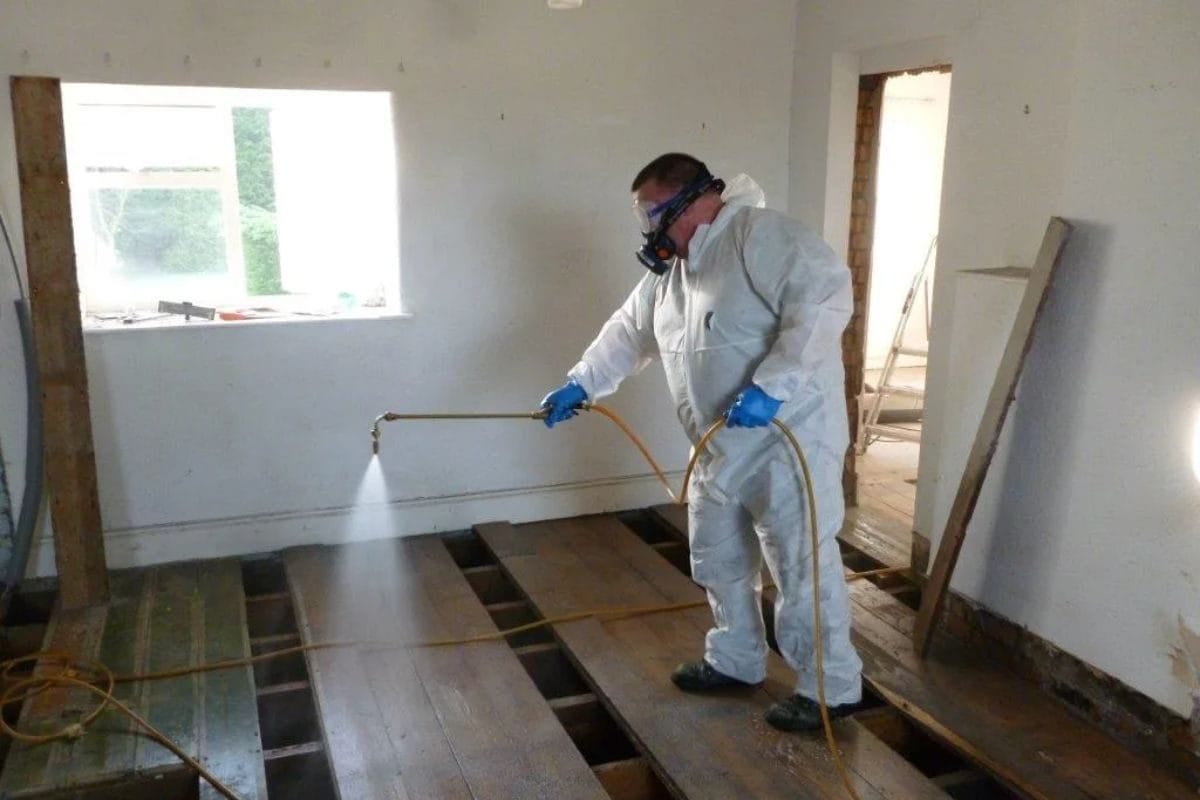
Frass can sometimes go unnoticed, especially in places like lofts or on light coloured wood, but it’s easier to spot on darker surfaces or around furniture.
3. Spotting Live Beetles Indoors
If you start noticing small beetles crawling or flying around your home, particularly near wooden surfaces, it could be a sign that woodworm is present and active.
These adult beetles usually emerge from the timber between May and October, when they exit their tunnels in search of a mate to continue the life cycle.
While they only live for a short time, typically just a few weeks, their presence often points to a much longer-term problem hidden inside your wood. You might spot them gathering in specific areas of your home, often near floorboards, furniture, or beams where the infestation is concentrated.
Types of Woodworm Beetle
Several types of wood-boring beetles are common in the UK, each with different sizes and appearances. These include:
- Common Furniture Beetle: Found in both soft and hardwood, this beetle lays 30-40 eggs per cluster, while the larvae feed for up to 3 years.
- Deathwatch Beetle: Damaging to older buildings, this beetle targets hardwoods already affected by fungal decay; its life cycle can extend beyond 10 years.
- Wood Boring Weevil: Linked to damp, decayed timber, these beetles feed on fungi, instead of healthy wood. Moisture control is often key to stopping them.
- House Longhorn Beetle: A threat to softwoods, this beetle grows up to 25mm long and can cause severe damage, leaving large oval exit holes.
- Powder Post Beetle: Will infest green, freshly cut oak, which is high in moisture content. Green Oak is commonly used as a building material.
If you’re unsure whether you’ve spotted a woodworm beetle, our experienced surveyors can identify whether woodworm is present, determine the species involved, and assess the extent of any timber damage.
Get in touch with us today to find out more.
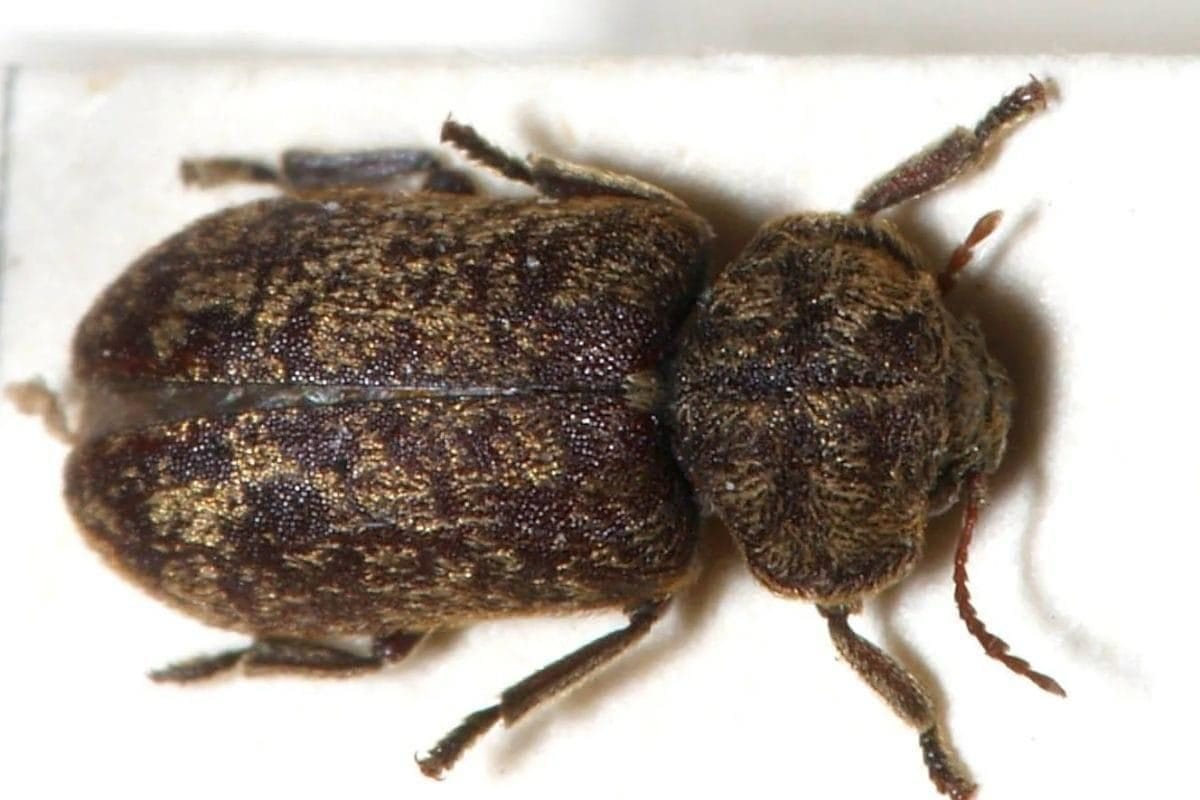
Woodworm beetles live for a short time, typically just a few weeks, but their presence points to a longer-term problem hidden inside your wood.
4. Crumbling or Weakened Timber
Timber that feels brittle, crumbles at the edges, or gives way under pressure is often a sign of a long-standing woodworm infestation.
As larvae bore their way through wood over time, they leave behind a network of tunnels that can compromise the structural integrity of floorboards, beams, joists, and other timber elements.
If you’ve ever put a chair leg or foot through a weakened floorboard, there’s a chance that woodworm damage is to blame. In many cases, this kind of deterioration is most visible around the edges of boards or in roof timbers, where damage might go unnoticed until it’s too late.
That said, weakened wood isn’t always caused by woodworm. Other issues, like dry rot, can cause similar symptoms. That’s why it’s essential to have a professional inspection to confirm the cause before carrying out repairs or treatments.
Can Woodworm Be Treated?
Woodworm can definitely be treated, but the effectiveness depends on the method and how early the infestation is identified.
You might see DIY woodworm treatments available to purchase, but these are typically only effective in very minor or early-stage cases. Most infestations develop deep within the timber, where larvae tunnel and feed internally, often beyond the reach of surface-level treatments.
Home remedies, often promoted online, are unlikely to eliminate an active woodworm infestation. Woodworm larvae spend several years feeding within the timber before emerging as adult beetles, making them difficult to reach with surface-level treatments. As a result, DIY solutions may address visible signs of damage without tackling the underlying infestation.
For this reason, professional treatment is proven to be the most reliable option. A specialist will first carry out a survey to confirm whether the infestation is active, identify the species involved, and assess the extent of the damage.
From there, targeted treatments using professional-grade products can be applied, designed to penetrate deep into the wood and eliminate the larvae at the source. In some cases, especially where structural timber is affected, additional repairs or timber replacement may be required.
Just as importantly, a proper diagnosis ensures that the issue is actually woodworm. Other problems, such as dry rot, can present in similar ways, and treating the wrong issue can lead to unnecessary costs.
How Can We Help
To sum up, what are the signs of woodworm?
Common indicators of woodworm include small emergence holes in wood, fine dust deposits known as frass, brittle or crumbling timber, and sightings of wood-boring beetles. Together, these signs can point to active woodworm activity within a property.
These aren’t the only signs of a woodworm infestation, however, and they don’t always tell the full story. That’s where we come in.
At Protectahome, our experienced surveyors are trained to identify the presence of wood-boring insects, as well as the specific species involved and the extent of the damage.
We can recommend the most effective treatment plan for your home, whether that involves targeted chemical solutions, moisture control, or improved ventilation.
Get in touch with us today at 0800 055 6966 to find out more, or explore our latest insights and advice on our News page.