Published on 16/06/2025 & updated on 31/03/2026.
If you’ve ever wondered what structural waterproofing is, it is one of the main methods of basement waterproofing. Alongside tanking (Type A) and cavity drain systems (Type C), structural waterproofing plays a vital role in protecting basements from water ingress.
So, how are basements waterproofed, and how does it work? Although all basement waterproofing systems aim to prevent water from entering habitable or otherwise usable spaces in homes and buildings, how waterproofing works differs depending on the type of waterproofing system applied.
The British Standard BS8102:2022 Protection of Below Ground Structures against Water Ingress Code of Practice defines 3 types of waterproofing systems, each unique in their own way. This blog will break down what causes water in a basement, the importance of basement waterproofing and the 3 key methods of waterproofing a basement, including what structural waterproofing is.
What Causes Water in a Basement?
Firstly, let’s take a look at what causes water ingress into a basement. Here are a few of the main causes:
- Hydrostatic Pressure: Hydrostatic pressure is the force exerted by water at rest in the ground surrounding your basement. Hydrostatic pressure is a common cause of basement water ingress and flooding, as it can force groundwater through gaps and cracks in the masonry retaining structure. Depending on the amount of hydrostatic pressure and the resistance level of the building’s structure, this can result in water ingress levels ranging from low levels of dampness to significant flooding in extreme cases.
- Sump Pump Failure: Sump pumps can fail due to age, mechanical problems, power interruption/failure or become overwhelmed during heavy rainfall. If your sump pump is not able to effectively remove the collected water, flooding can occur.
- Structural Cracks: Every property settles over time, which can result in cracks in the foundations/structure. Cracks represent a weak point in any structure and will allow water ingress to occur more freely with less hydrostatic pressure.
The Importance of Basement Waterproofing
Basement waterproofing is an essential process that prevents water from entering and causing damage to your basement. Without effective waterproofing, basements are particularly vulnerable to water ingress due to their below-ground position, where they are exposed to constant moisture, groundwater pressure and surface water.
Water entering a basement can lead to a range of issues, including damp conditions, mould growth, timber decay and deterioration of structural elements such as walls and floors. Over time, this can compromise the integrity of the building and reduce your property’s value.
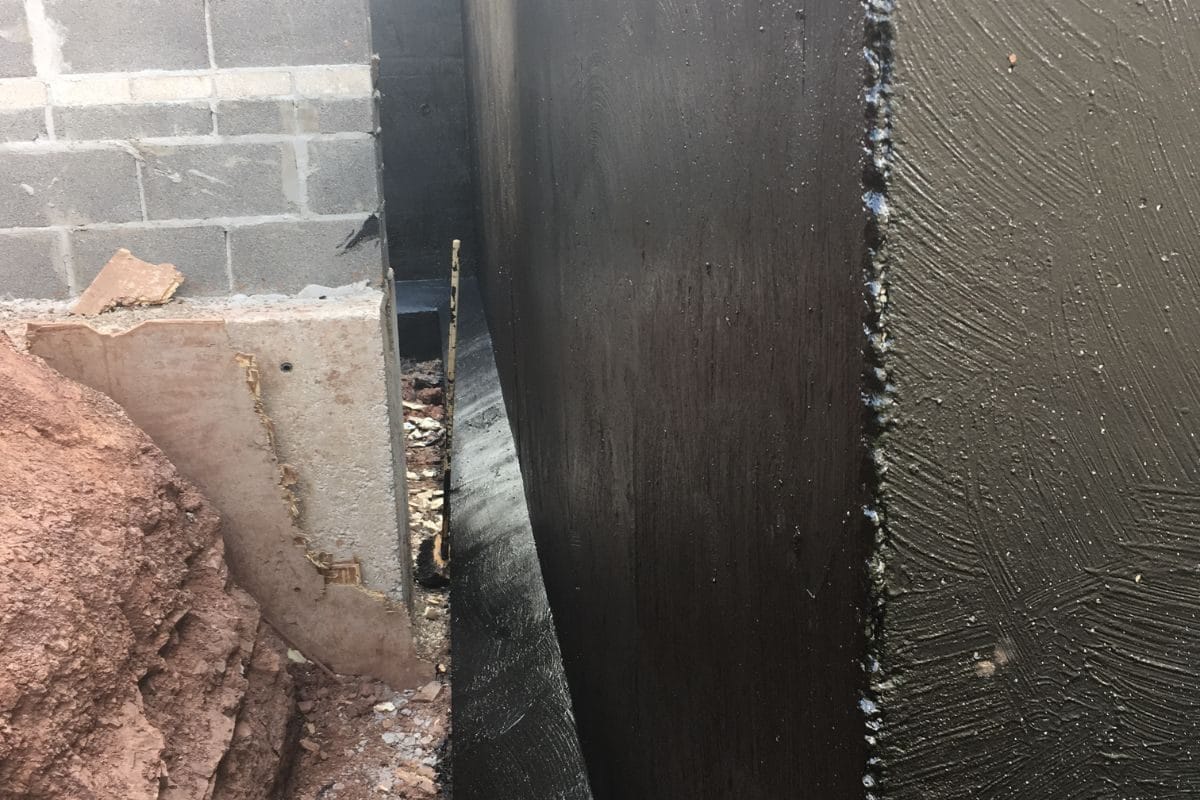
Basement waterproofing is important because it prevents water ingress, protecting your property from damp, structural damage and long-term deterioration.
The end use of the basement, alongside other factors such as ground conditions and the basement construction, will determine what form of waterproofing is required. For example, a storage space may require a lower level of protection compared to a habitable room such as a living area or office, where a completely dry environment is essential.
It’s essential that the basement waterproofing design and installation are undertaken by a suitably qualified and experienced waterproofing specialist. A professional approach ensures that all risks are properly assessed, the correct system is specified, and the installation is carried out in accordance with relevant standards such as BS 8102.
If you’d like support with waterproofing your basement, contact us on 0800 055 6966 or at web@protectahome.co.uk to discuss your project and arrange a survey of your property.
3 Key Methods of Waterproofing a Basement
Now that you understand what causes water in a basement and why it’s so important to waterproof your basement, let’s move on to the 3 key methods of waterproofing a basement:
1. Type A (Barrier) System
Historically referred to as ‘Tanking’, Type A (Barrier) protection provides protection against groundwater ingress by applying a waterproof material to the internal or external walls and floor slabs of a basement. These systems work by creating a physical barrier to block water from entering the structure to which they are applied.
The materials can be pre or post-applied to the external or internal surface of the retaining structure. They are best suited to external installations in a new build structure and, in most cases, can’t be installed externally to existing structures, so they are generally applied internally.
Type A materials include liquid-applied membranes, cementitious slurries and renders, post-applied bonded sheet membranes or pre-applied fully bonded sheet membranes.
Type A systems are designed to form a ‘tank’ and must be continuous, without any holes or defects, to provide true protection. The true protection is the bond formed between the waterproofing and the substrate to which they are applied, so they need careful preparation before installation.
2. Type B Basement Waterproofing: Structural Waterproofing Explained
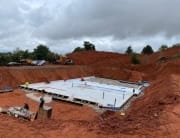
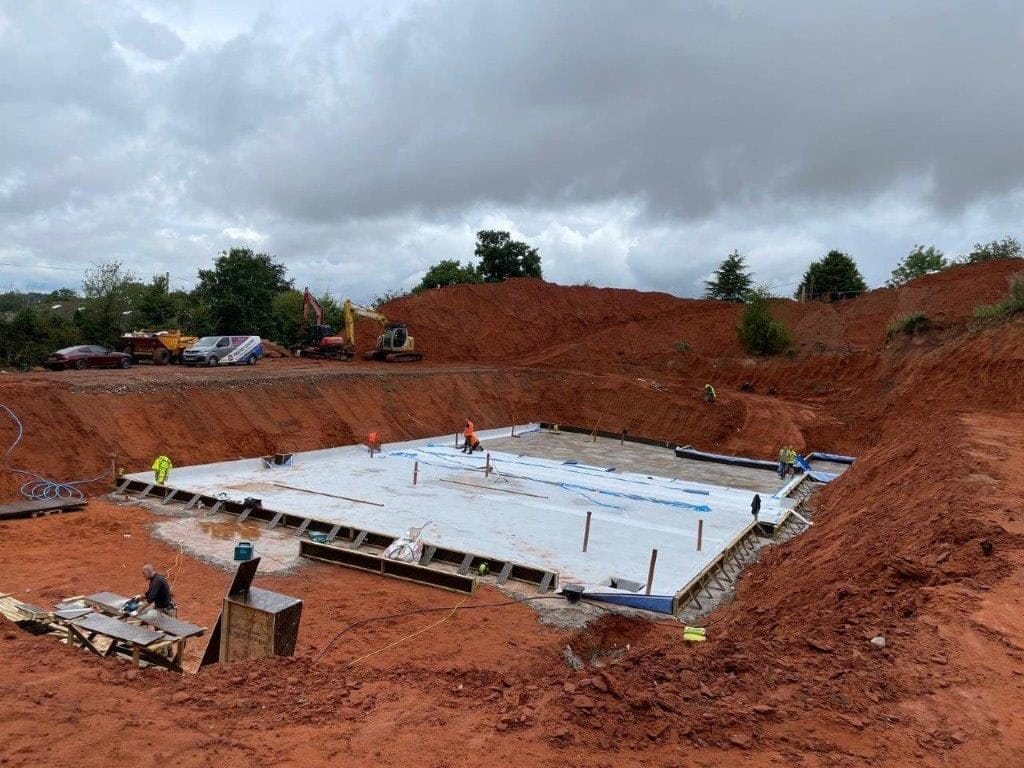
A Type B (Structurally Integral) system, also known as structural waterproofing, is one where the structure itself is constructed as a water-resistant shell. This approach relies on the inherent water resistance of the concrete and design details to prevent water ingress and is typically used in new-build construction projects.
To achieve Type B protection as defined in BS 8102:2022, concrete must be designed and constructed according to BS EN 1992-1-1 (Eurocode 2). Specific admixtures can also be added to the concrete mix to enhance its impermeability and density.
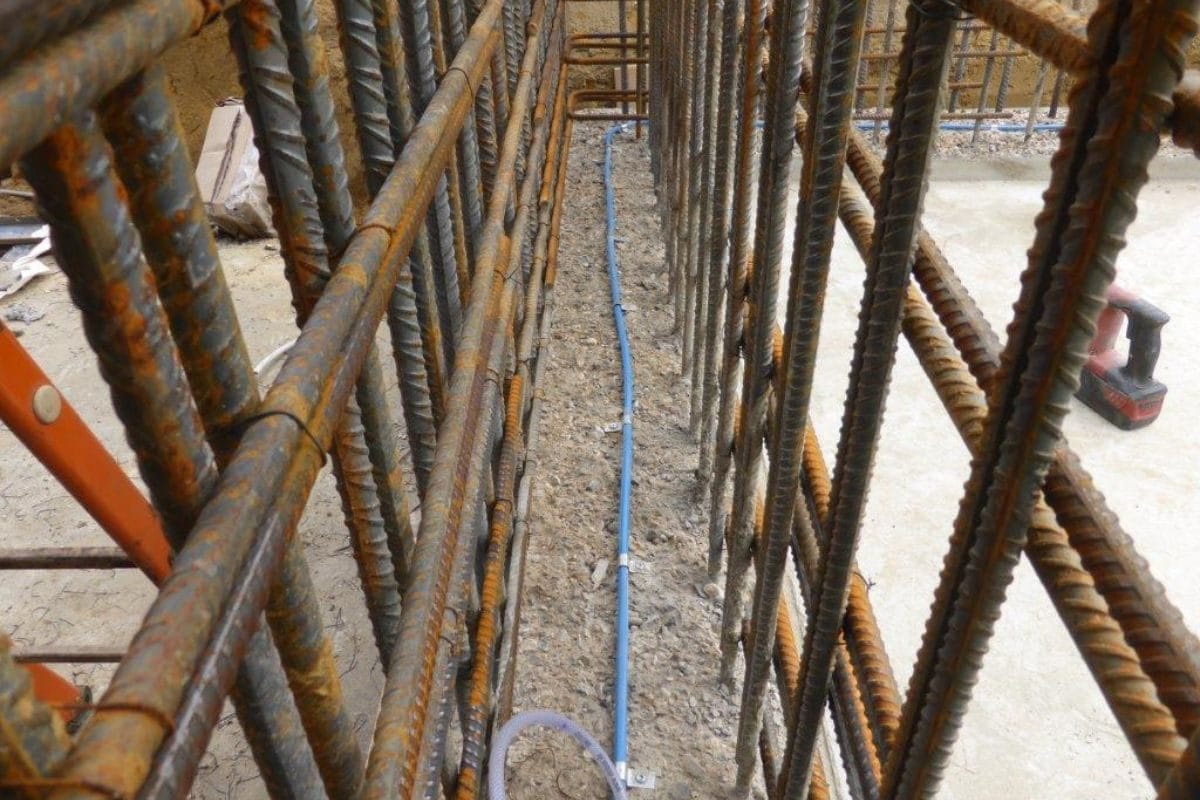
Type B structural waterproofing uses specially designed concrete to create a water-resistant structure that prevents water ingress without external barriers.
Type B systems work to provide a robust waterproofing solution by eliminating the need for external waterproofing barriers. That said, this system heavily relies on the materials incorporated into the external shell of the structure, the design, and the quality of the workmanship involved in preparing and placing concrete. As such, any seepage encountered is often due to poor placement, incorrect joint sealing and cracks beyond the maximum performance of any admixtures, for instance.
3. Type C (Drained) System
A Type C (Drained Cavity system) is a system designed to manage, collect and remove water ingress through the structure, preventing it from spoiling finishes, and to isolate the internal finishes by forming a vapour barrier to protect the internal space.
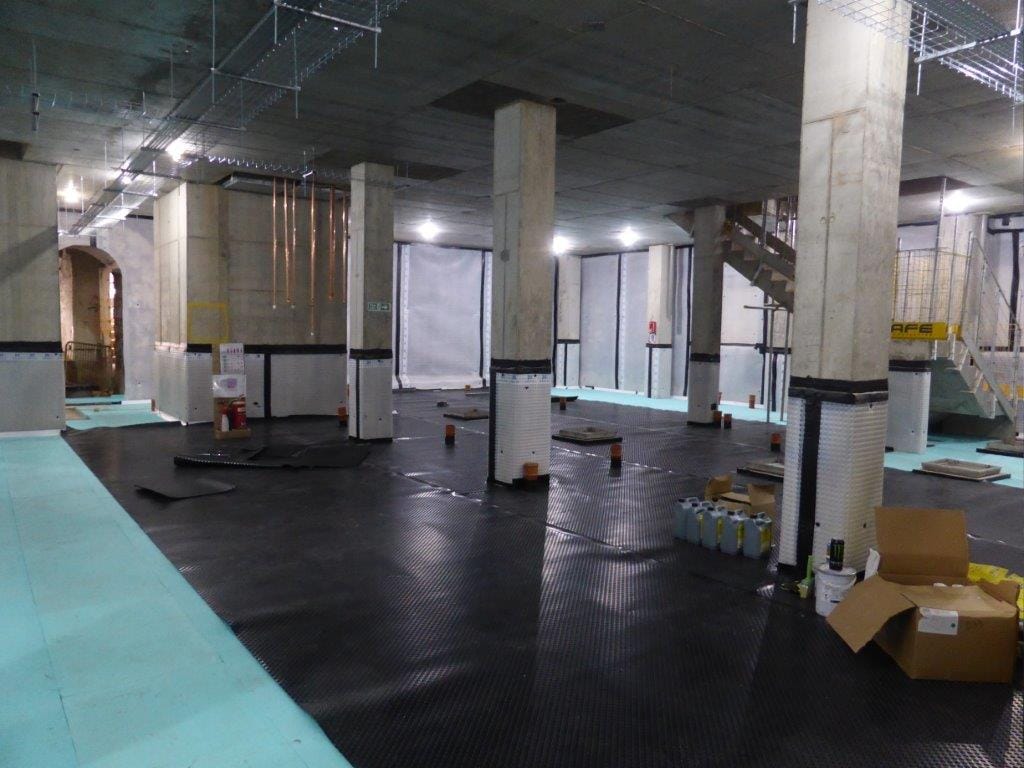
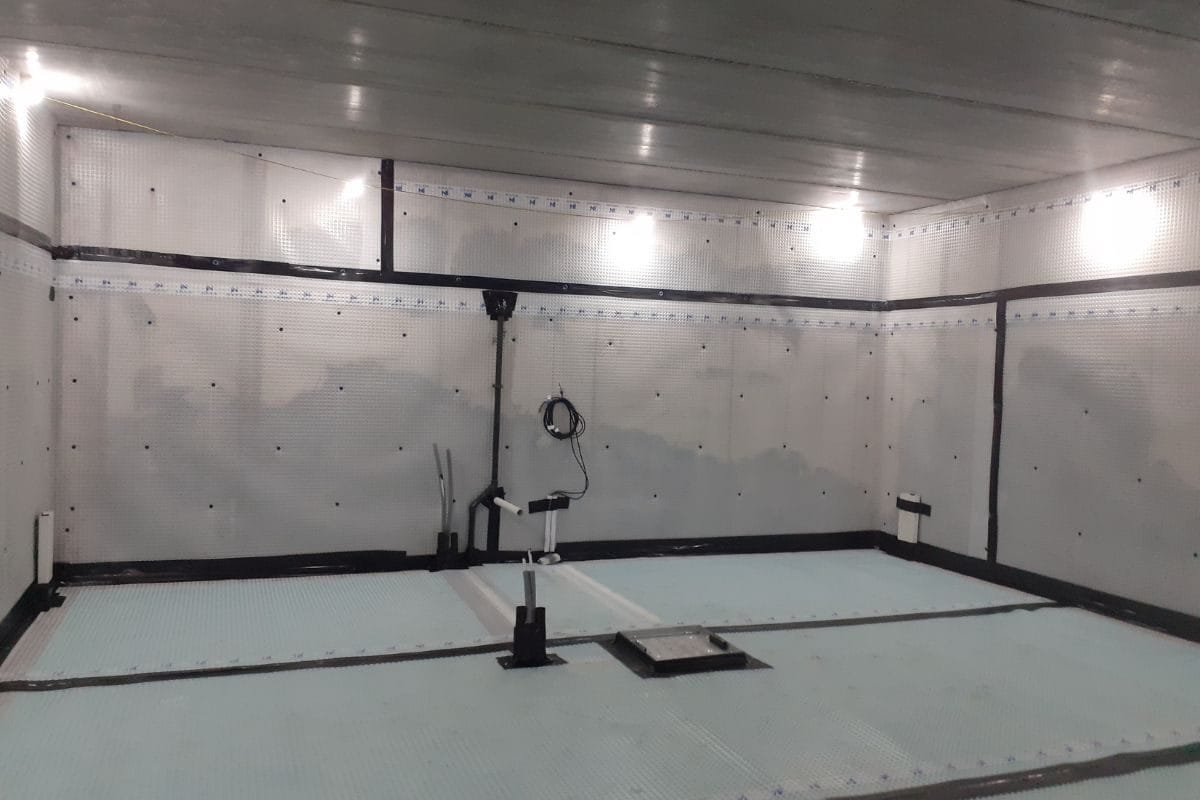
Type C protection works by controlling any water ingress through the structure, collecting it behind a studded cavity drainage membrane and diverting it via a planned and controlled system of maintainable drainage channels to a suitable point of discharge, which can either be pumped or via gravity to a suitable external drain.
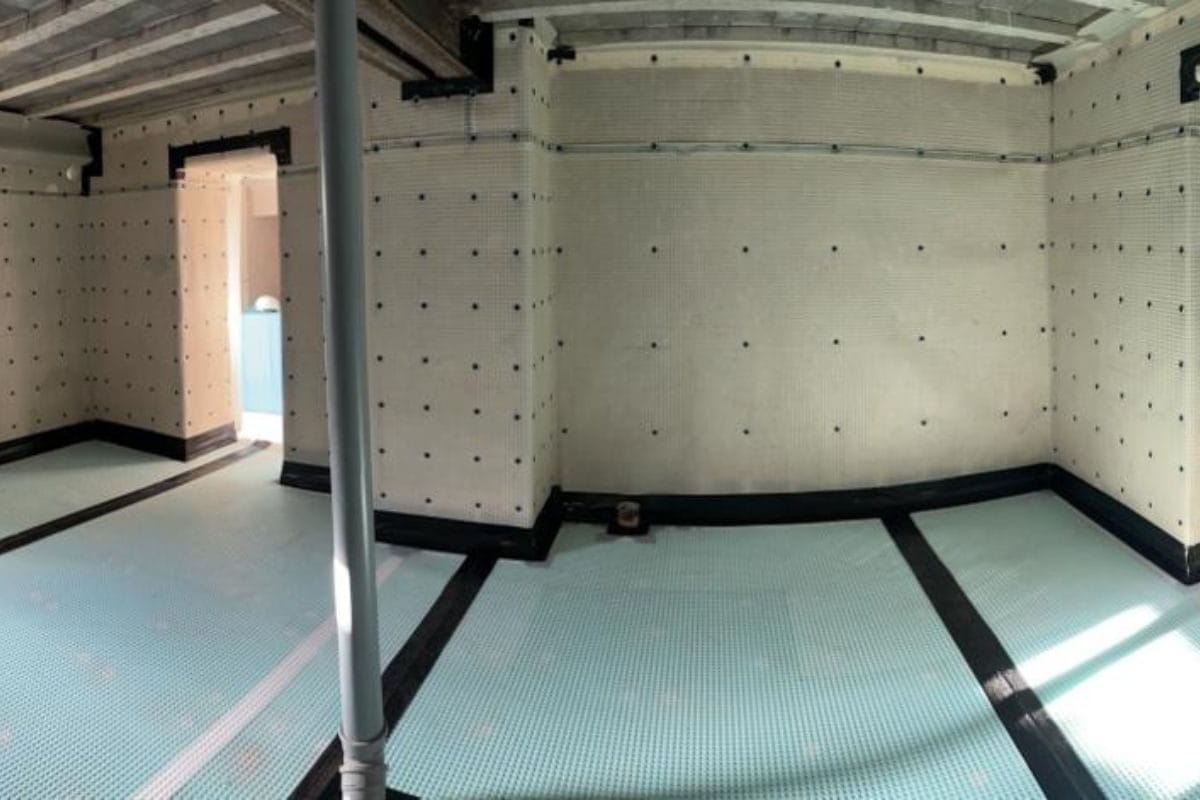
Type C waterproofing uses a cavity drainage system to collect and channel water away from the structure, keeping internal spaces dry.
These systems are adaptable and can be used in new build basements and are well-suited for use in existing structures, having become a highly common form of waterproofing used in modern waterproofing design. Depending on the end use of the building paired with the type of waterproofing system applied, further measures might be required to achieve a successful outcome, which is why it’s best to seek help from professional waterproofing specialists for guaranteed results.
How We Can Help
If you’re interested in basement waterproofing, Protectahome can help by taking liability for the whole waterproofing process from design through to installation, providing design PI cover and a long-term installation guarantee.
Our team of basement waterproofing specialists have over 45 years of experience in the industry and considers each project individually, providing a bespoke design for every basement waterproofing scheme from a range of systems and products we know are reliable and which are best suited to individual projects.
Our waterproofing designers are CSSW (Certificated Surveyor in Structural Waterproofing) qualified, and our installation operatives are highly experienced with NVQ qualifications and skilled worker status in basement waterproofing. Protectahome installations are always completed in-house and never subcontracted to a third party.
Contact us on 0800 055 6966 or at web@protectahome.co.uk to discuss your project and arrange a survey of your property.