Published on 19/03/25 & updated on 14/06/26
Damp and mould affect millions of UK homes, with around 15 million or 28% of the UK population reporting issues related to excess moisture in their properties.
One of the most commonly misunderstood forms of damp is rising damp, which can cause significant damage if left untreated.
So, what is rising damp in buildings, and why is it a concern for homeowners?
In short, rising damp is a type of dampness that occurs when moisture from the ground travels upwards through porous building materials such as brick, stone, and mortar.
If left untreated, it can lead to damp patches, peeling wallpaper or paint, damaged plaster, timber decay, and even health concerns associated with damp and mould growth.
Below, we’ll explain what causes rising damp, how to identify the warning signs, and the most effective treatment options available.
What Is Rising Damp?
Rising damp is moisture penetration that occurs when groundwater travels through porous building materials, such as bricks, concrete blocks, and some stones. Rising damp occurs when groundwater rises through walls due to capillary action. Understanding what causes rising damp in buildings helps homeowners identify the signs early.
In most cases, mould and damp can rise to around one metre, although under severe conditions, it may travel higher depending on the wall’s porosity
This occurs due to capillary action, a phenomenon whereby liquids can travel horizontally or vertically in small spaces within materials.
Other porous materials, such as plasterwork and the timber found in floorboards and skirtings, can also absorb the groundwater, which can result in rot and an array of other issues over time.
How to Identify Rising Damp
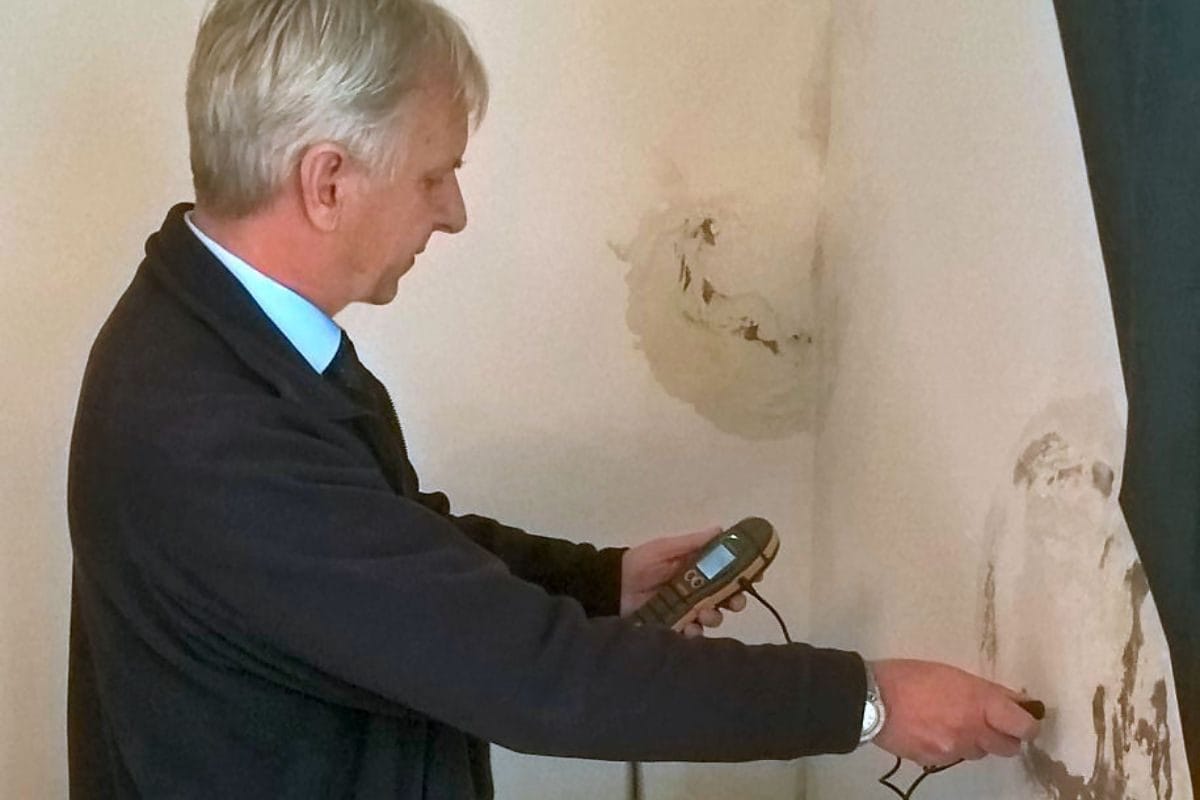
One of the best ways to identify rising damp is to look for the common warning signs it leaves behind.
Common signs of rising damp include:
- Damp Patches: Damp patches commonly appear at the base of the wall.
- Salt Deposits: Efflorescence is the process by which salt migrates to the surface of a porous material. It’s often found on the surfaces of walls when rising damp is present.
- Peeling Paint or Wallpaper: This is due to higher water levels in your wall, loosening the paint or wallpaper.
- Deterioration of Plaster & Brickwork: When there are high levels of moisture in your walls, this can result in crumbling and flaking plaster and brickwork.
Knowing what causes rising damp in buildings also helps you recognise these symptoms early, before they damage walls, plasterwork, timber, and other structural elements within your property.
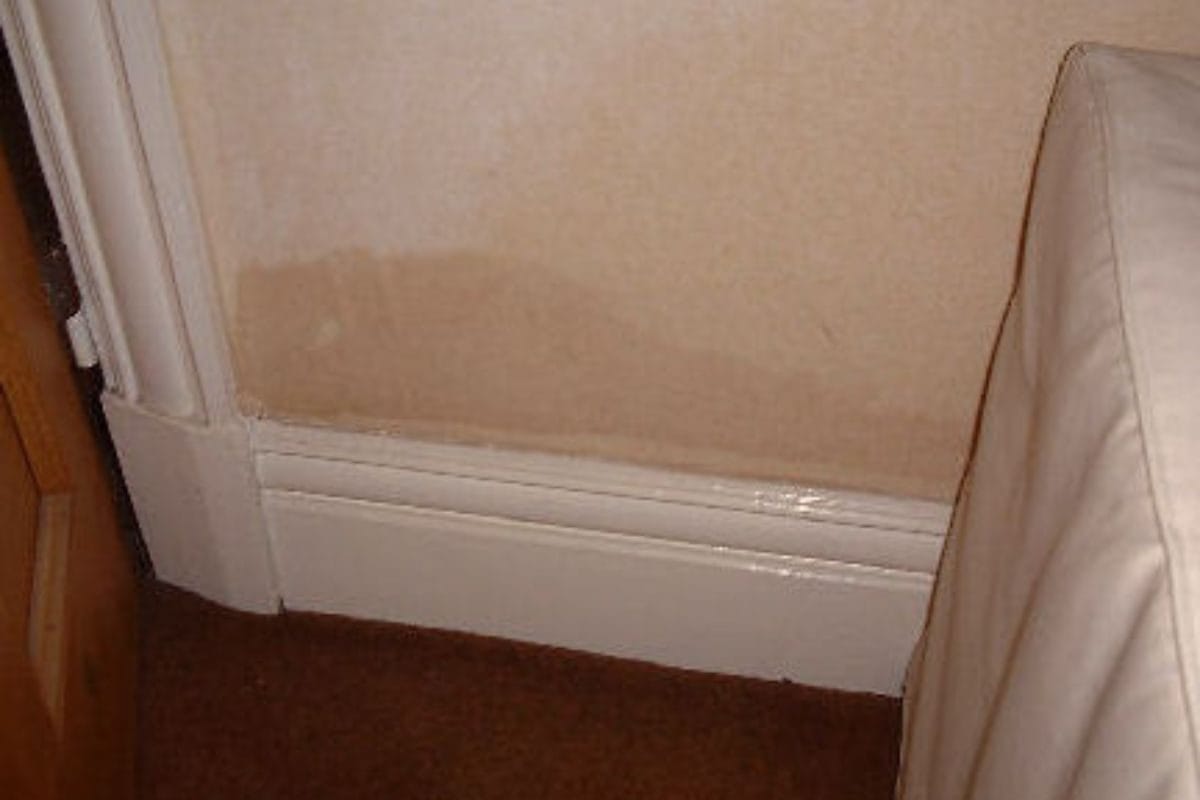
Porous materials, such as plasterwork and the timber found in floorboards and skirtings, can absorb the groundwater and result in an array of issues.
Can Rising Damp Cause Health Issues?
Yes, rising damp can cause health issues. This doesn’t happen directly, but the conditions it creates can have a negative impact on your health.
Excess moisture in walls can increase humidity and cause mould growth, which may trigger respiratory problems, allergies, and worsen conditions such as asthma.
According to guidance from the UK Health Security Agency (UKHSA), damp and mould can affect the airways and lungs, trigger allergic reactions, worsen asthma symptoms, and contribute to respiratory illnesses.
Children, older adults, and people with existing respiratory conditions are particularly vulnerable.
Damp environments can also contribute to dust mites and overall poor indoor air quality, especially if your home is poorly ventilated.
This is why it’s crucial to address rising damp as soon as you notice it.
Damp Proof Courses In UK Construction
As mandated by the Building Regulations, damp proof courses are now a requirement when constructing new buildings to prevent rising damp and, in some cases, penetrating damp.
These regulations apply to new constructions and existing buildings undergoing certain modifications, such as renovations and extensions.
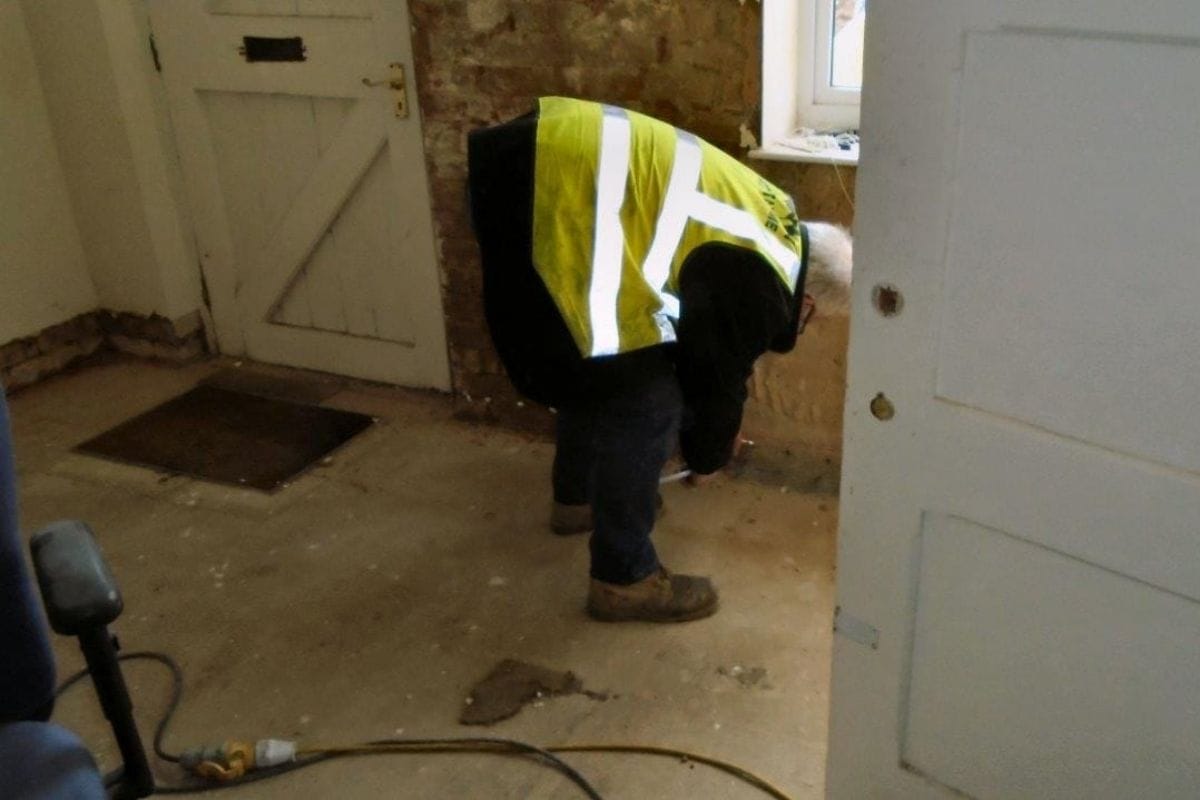
Damp proof courses are now a requirement when constructing new buildings to prevent rising and penetrating damp.
Today, modern buildings include physical DPCs, which are made from plastic or polythene membranes, bitumen or asphalt layers, or non-porous engineering bricks.
The choice of DPC material depends on a range of factors, from the age of the property to budget considerations.
That said, these physical barriers are built into the base of the wall to help ensure long-term protection against rising damp.
How Damp Proof Course Prevents Rising Damp
A Damp Proof Course acts as a protective barrier when installed in walls to prevent moisture within a building from rising above a certain level.
A Damp Proof Course works in the following ways:
- Physical Barrier: A physical DPC is a protective, horizontal barrier that is installed close to the bottom of the property’s walls to stop rising damp.
- Chemical Treatment: Modern solutions involve injecting chemicals into walls to create a water-repellent layer that prevents water from rising.
- Integral Waterproofing: Some newer builds are constructed with water-resistant materials to prevent moisture absorption.
Without an effective Damp Proof Course, buildings are more susceptible to rising damp.
This can lead to an array of problems, from damaging structural timbers that can threaten further damage to your property to unhealthy living conditions.
Proper maintenance and repairs carried out by damp proofing specialists are essential to prevent damp in the long term. Without a functioning DPC, mould and damp can rise surprisingly high up a building, especially if the wall is highly porous.
If you’ve noticed signs of mould or damp in your property or want to take preventative action, get in touch with our rising damp specialists at Protectahome today to book a survey of your home.
Can Old Houses Be Damp Proofed?
Yes, old houses can be damp-proofed, but the most effective solution depends on the age, construction, and condition of the property.
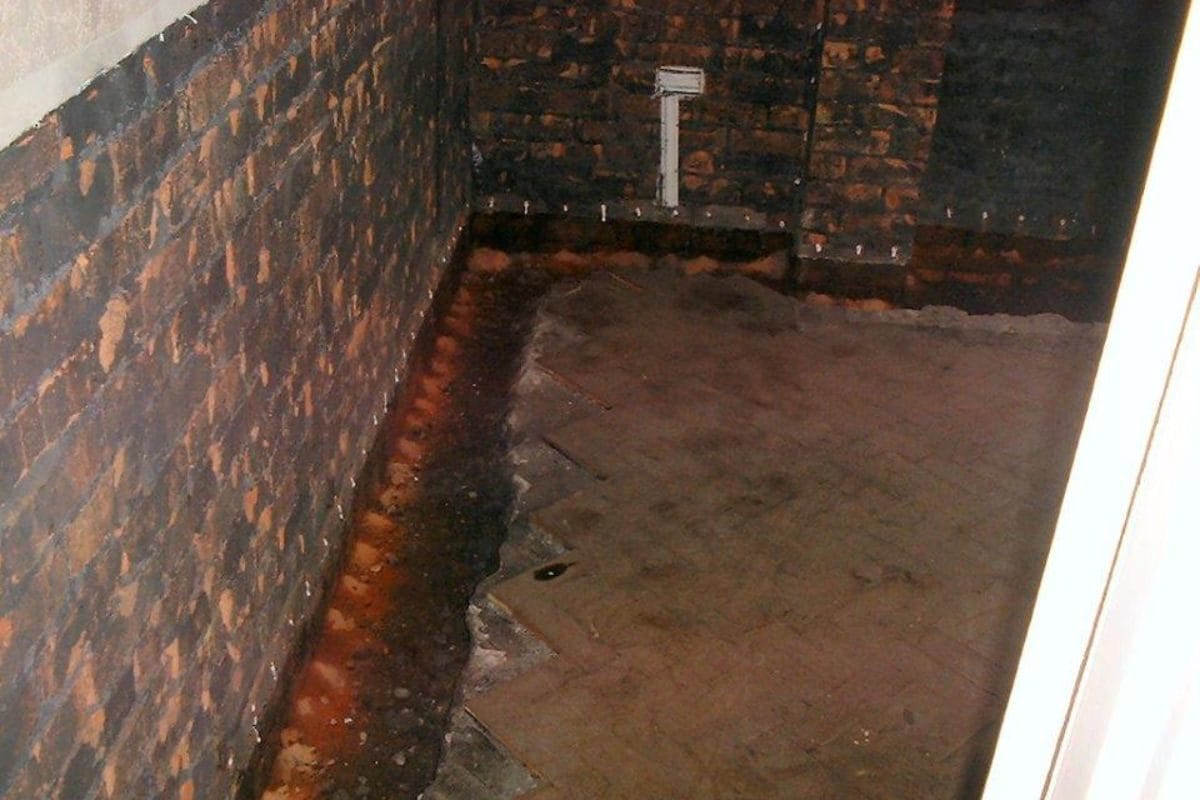
Old houses and buildings can be damp-proofed, though the most effective solution depends on the age, construction, and condition of the property.
In the UK, houses are considered to be ‘old’ when they predate 1940, many of which were built before modern damp-proofing methods became standard. Many Victorian and Edwardian homes, for example, were built without a physical Damp Proof Course.
Instead, these houses relied on breathable materials and thick masonry walls to help regulate the moisture levels within buildings, leaving owners of older properties without the benefits of a Damp Proof Course.
In some circumstances, a DPC might have failed over time due to earlier methods, such as slate or bitumen, that have degraded or been bridged by renovations over the course of the years.
The good news is that modern damp-proofing solutions can be carefully adapted for older properties.
How Do You Stop Rising Damp?
Here are some damp proofing options you can use to treat damp in your property:
1. Chemical DPC Injections
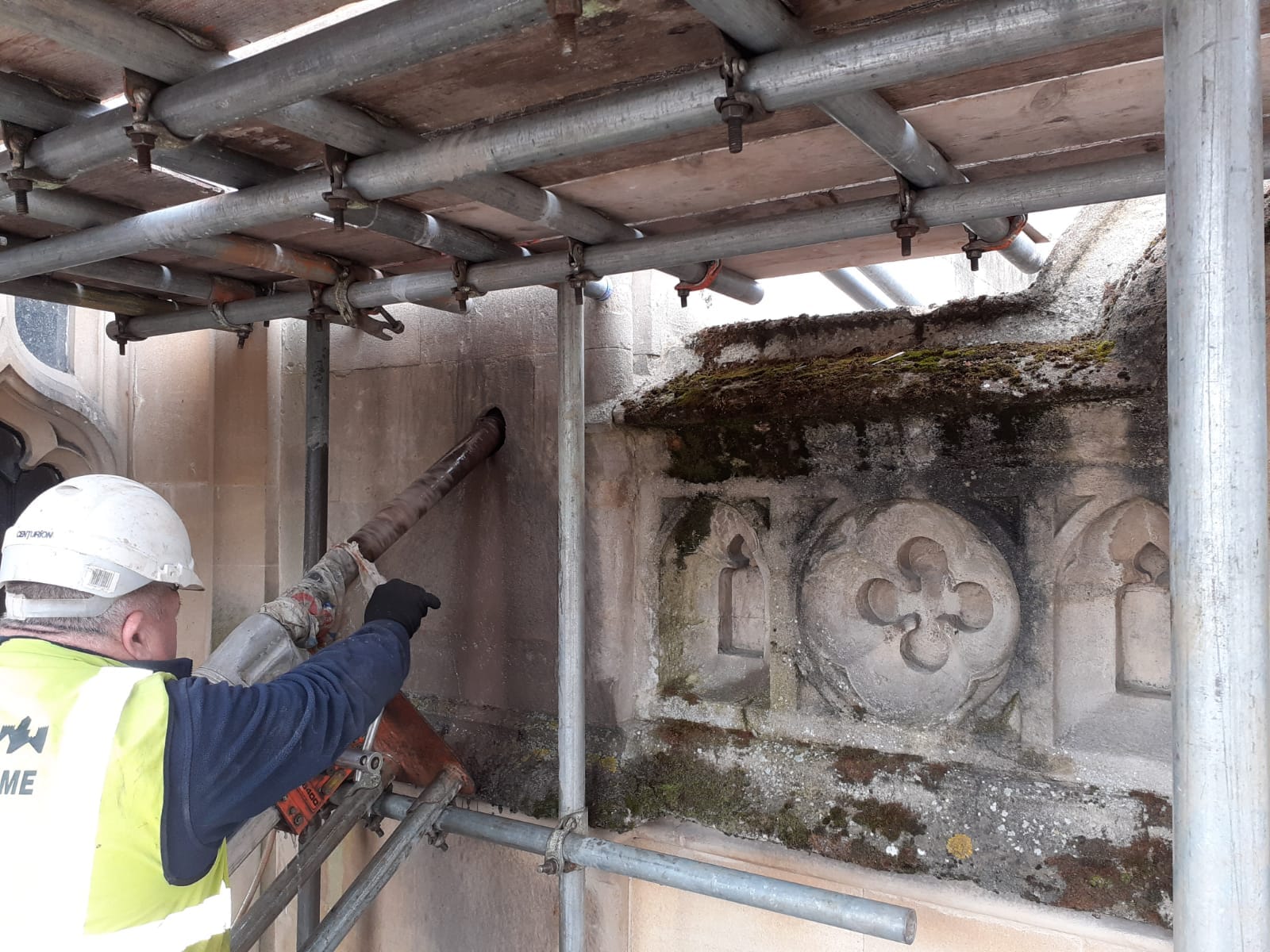
This is a cost-effective damp proofing solution that involves injecting a water-repellent chemical into the wall to treat rising damp.
2. Internal Membrane Lining System
This involves lining the internal faces of the walls with an HDPE (High Density Polyethene) Membrane, often with a meshed surface allowing for direct application of plaster, render or dot & dab plasterboard.
3. Physical DPC Retrofitting
This is when a physical layer of plastic or lead sheeting is inserted into the base of the walls.
A professional damp survey can help determine whether a physical DPC is the most appropriate solution for your property.
How We Can Help
If you have a rising damp problem and are looking for a damp proofing solution, Protectahome can help.
Our damp proofing specialists have over 45 years of trading and experience behind them and have a wealth of experience in damp proofing basements, cellars, and walls in an array of homes and buildings.
If you’re unsure what causes rising damp in buildings or how to treat it, our specialists can diagnose the issue and recommend the right repair method.
Contact us at 0800 055 6966 or web@protectahome.co.uk to arrange a survey of your home.