
Structural Crack Repair Specialists
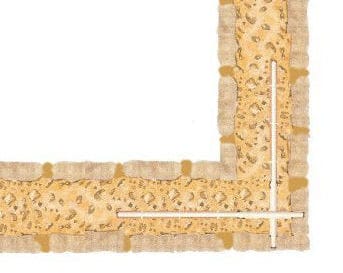
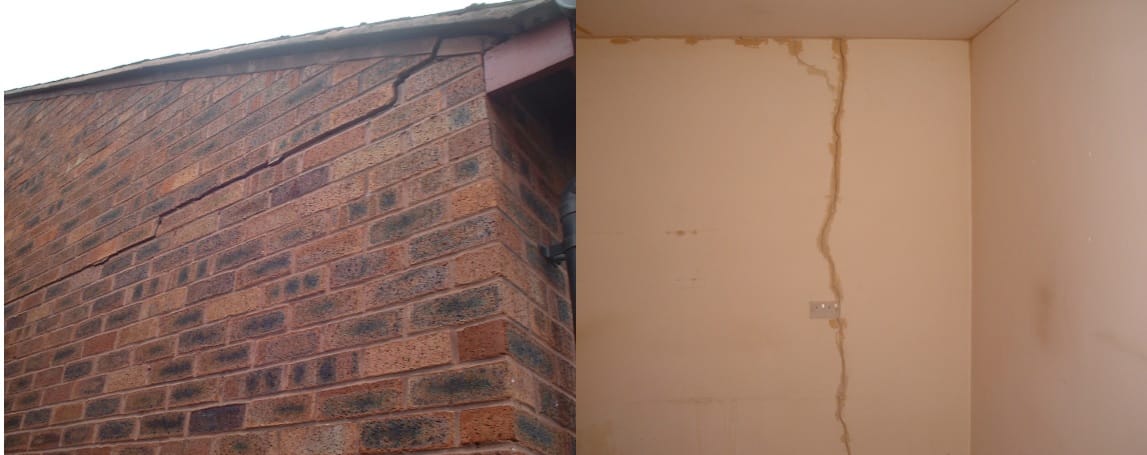
Cracking within components involves the strength of the material. When building components are restrained, their strength is exceeded by stresses arising from movement in the materials therefore cracking results.
The degree of cracking is dependent on several factors including the materials used in the construction and the cause of the cracking.
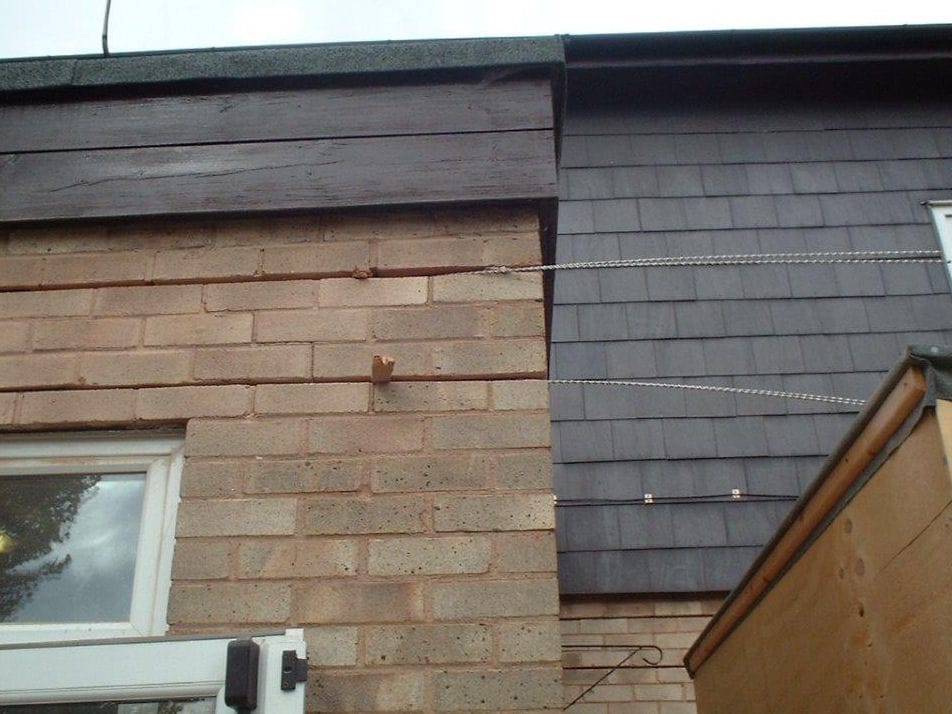
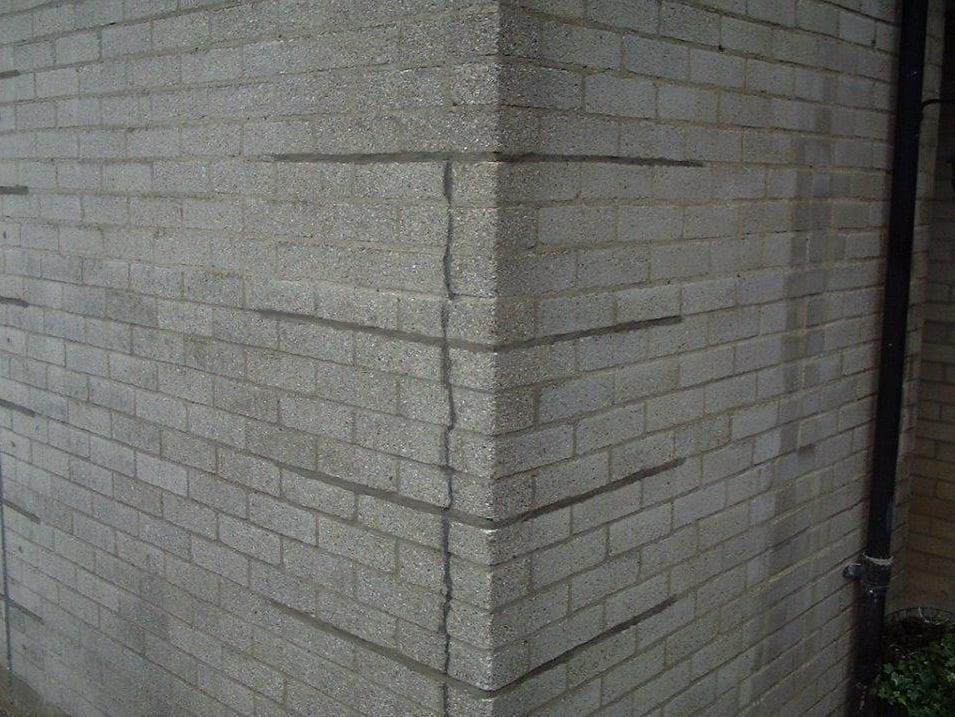 Crack repair works underway, showing positions of repair works
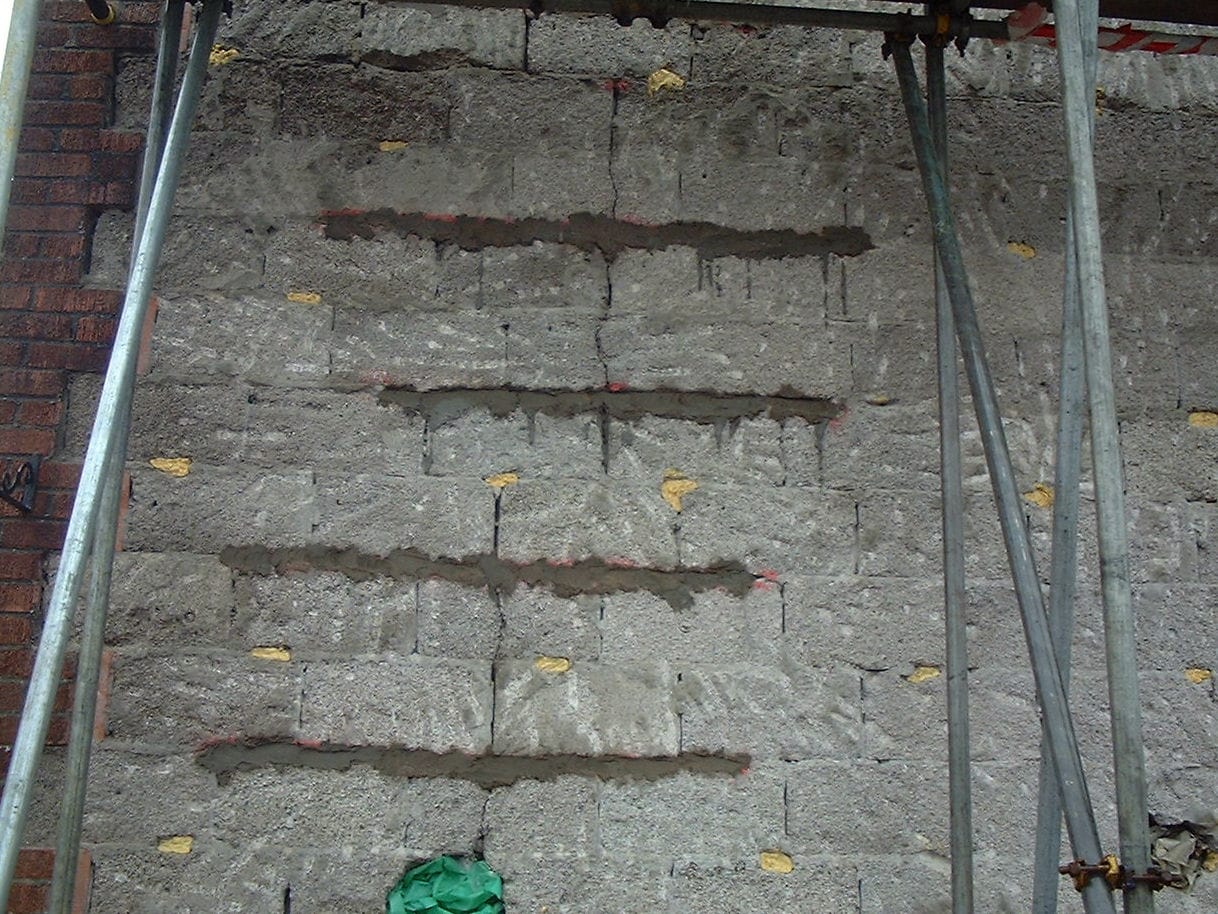 Crack Stitching Repair Underway - Wall to be re-rendered upon completion.
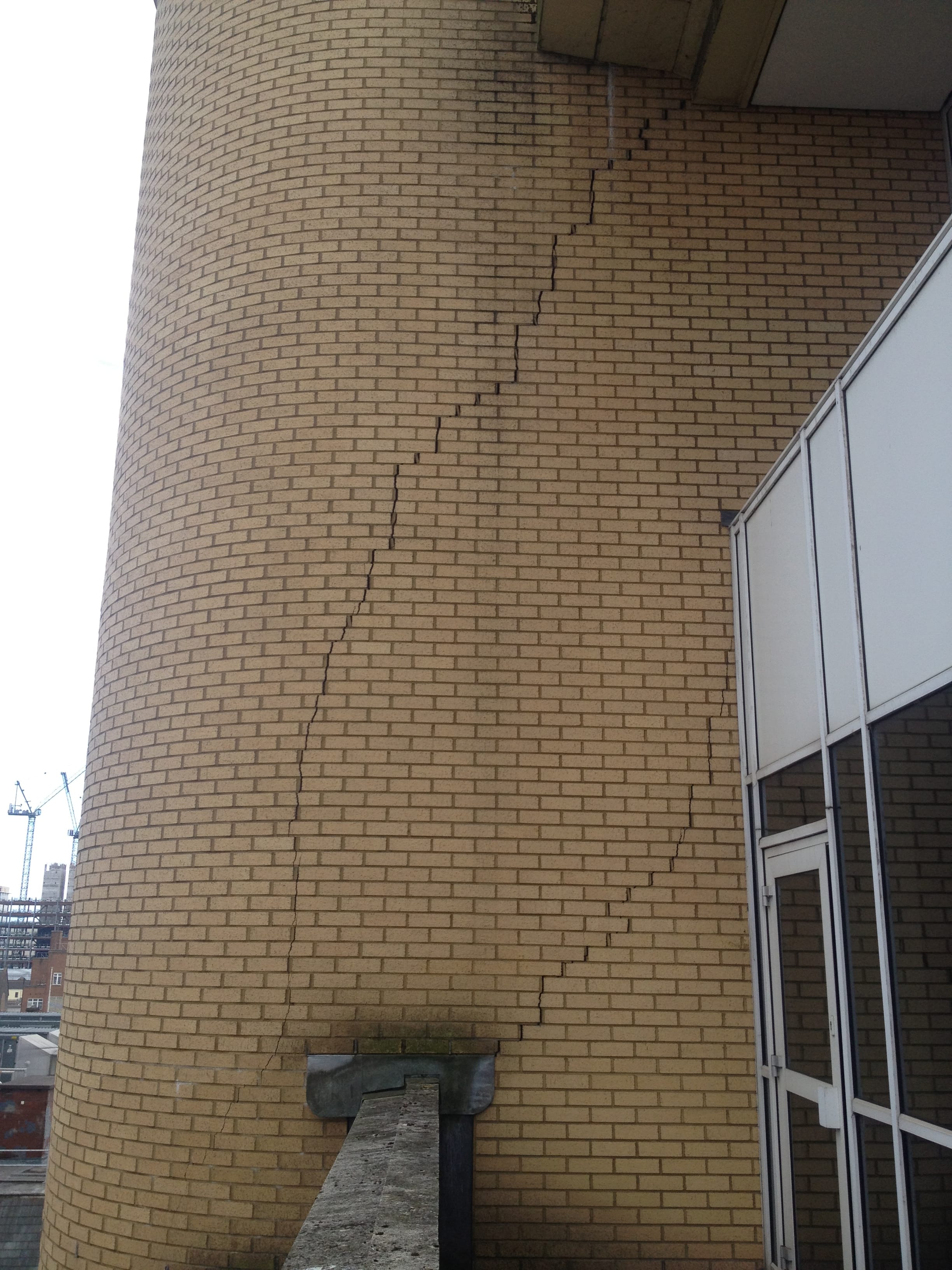
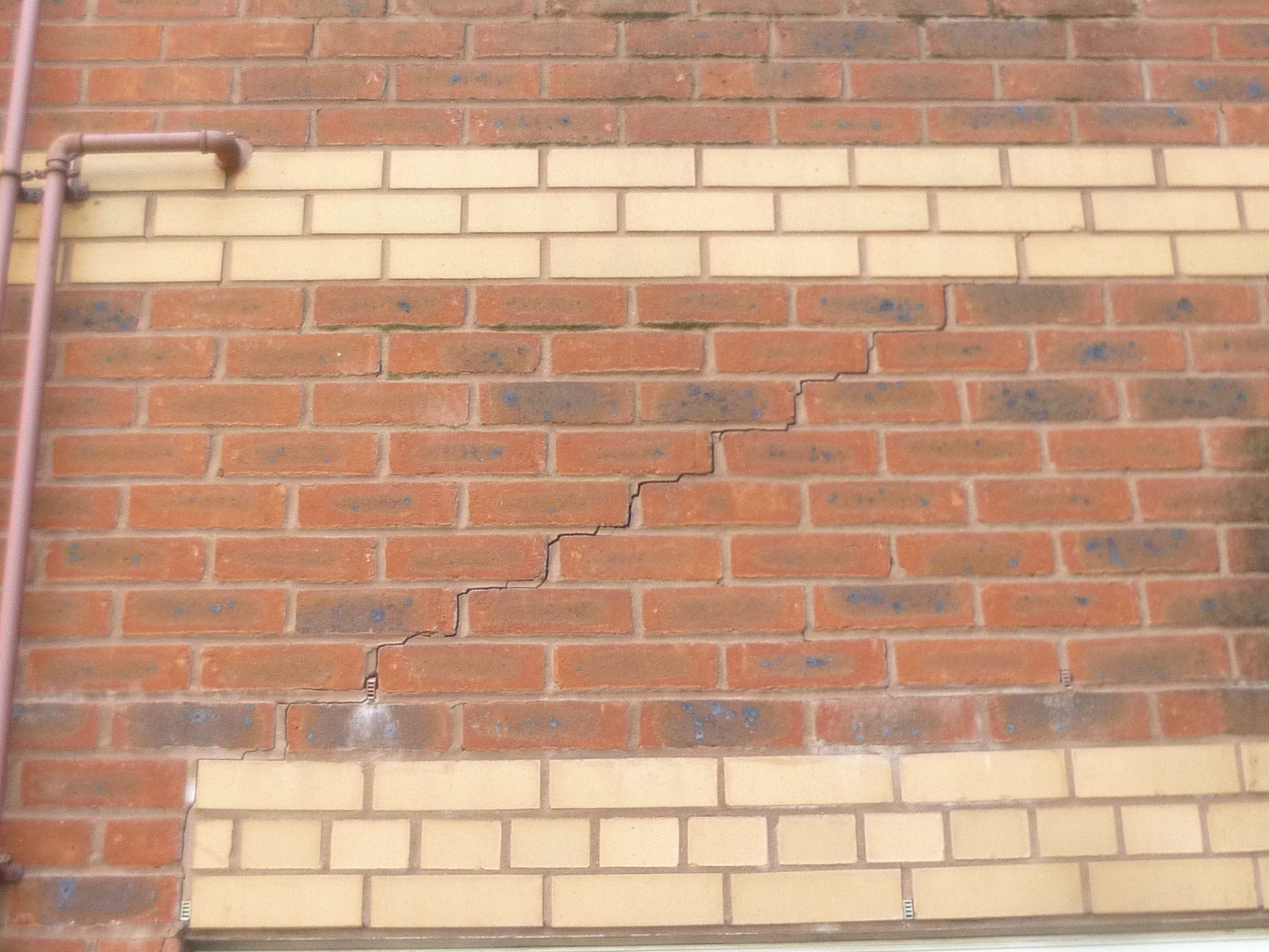 Diagonal Stepped Cracking to Residential Apartment Block - Helifix Helibars later used for repairs.
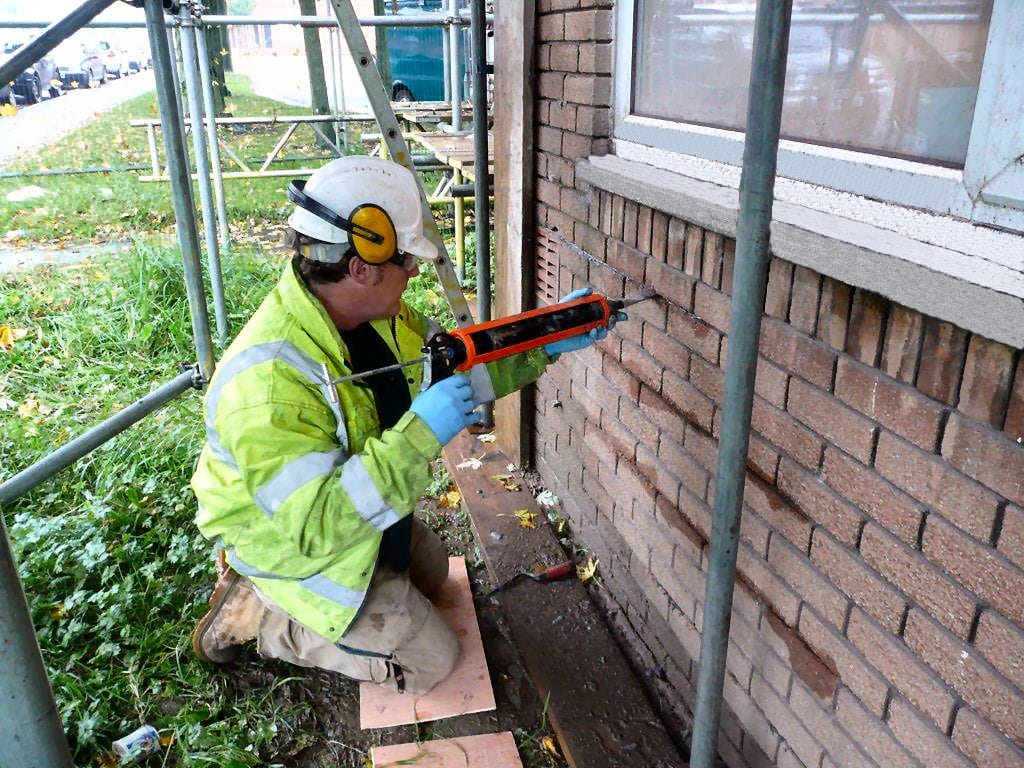 Protectahome Technician During Crack Repair
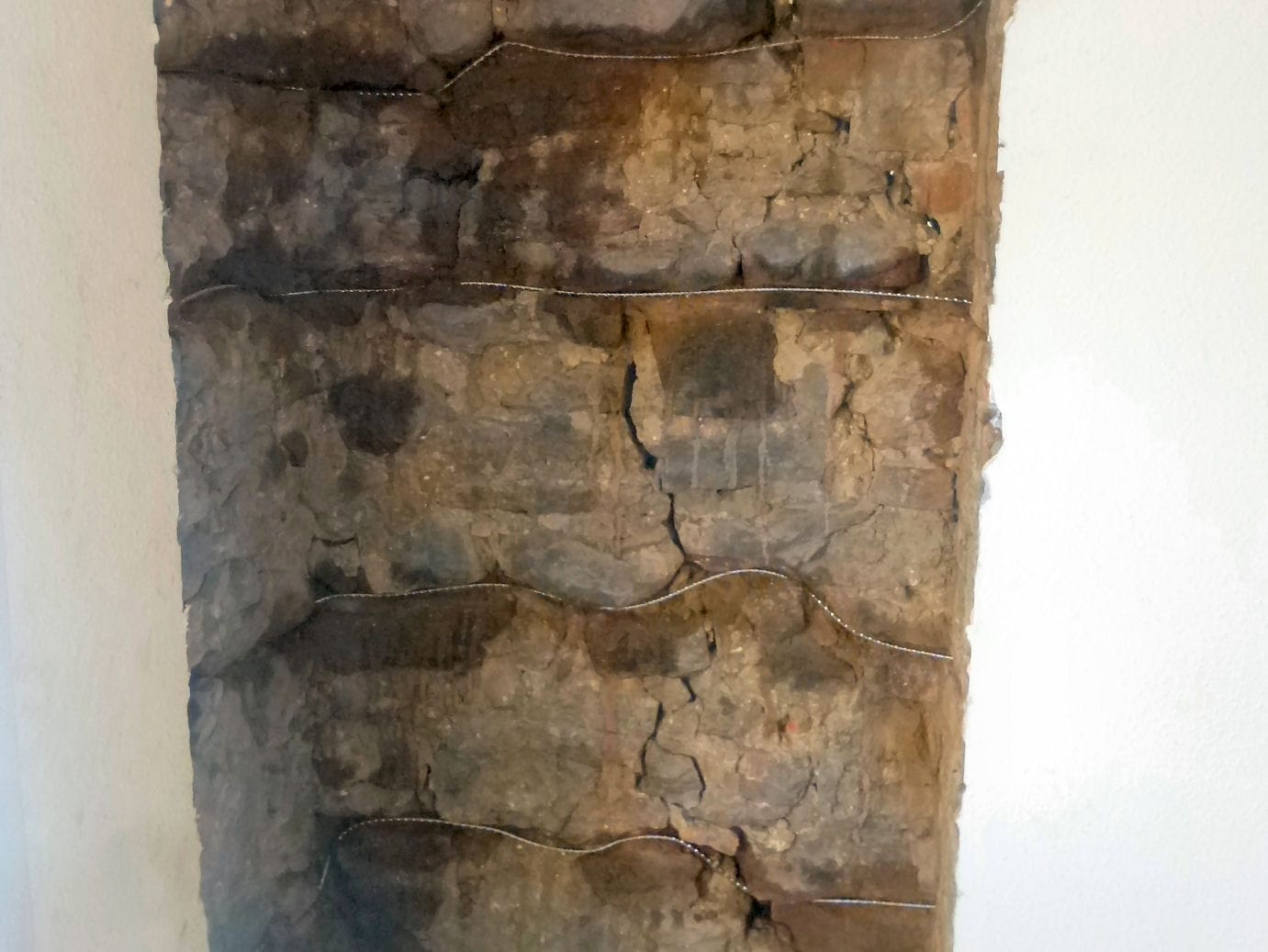 Helifix Helibar crack repair installation to solid stone wall.
Structural defects can be divided into three principle groups, this list should not be considered as exhaustive:
Cracking due to one or a combination of the following:
- Foundation movement
- Thermal and/or moisture movement
- Frost action
- Corrosion of embedded steelwork
- Lintel failure
- Overloading
- Poor construction design/technique
Bulging and leaning walls due to one or a combination of the following:
- Vibration from traffic or machinery
- Increased floor loads or by adding extra floors
- Original walls being insufficient in thickness in relation to height
- Lack of lateral restraint between the external walls and the floor joists, beams and partitions
- Spreading caused by inadequately restrained roofing materials or increased loading
Bond failure due to one or a combination of the following:
- Use of inadequate materials
- Deterioration with time
- Poor construction techniques
To deal with cracking in buildings and structures, Protectahome have an extensive portfolio of structural crack repair strategies at our disposal. Strategies may include the use of products from Helifix, Cintec or Platipus depending on site conditions and the method of construction.
Do you have a structural crack in your wall? We are highly experienced in providing structural crack repair solutions and would be happy to help you!
Call Protectahome now on 0800 055 6966 to arrange a visit by one of our specialist Structural Repair Surveyors.
Structural Repairs Case Studies
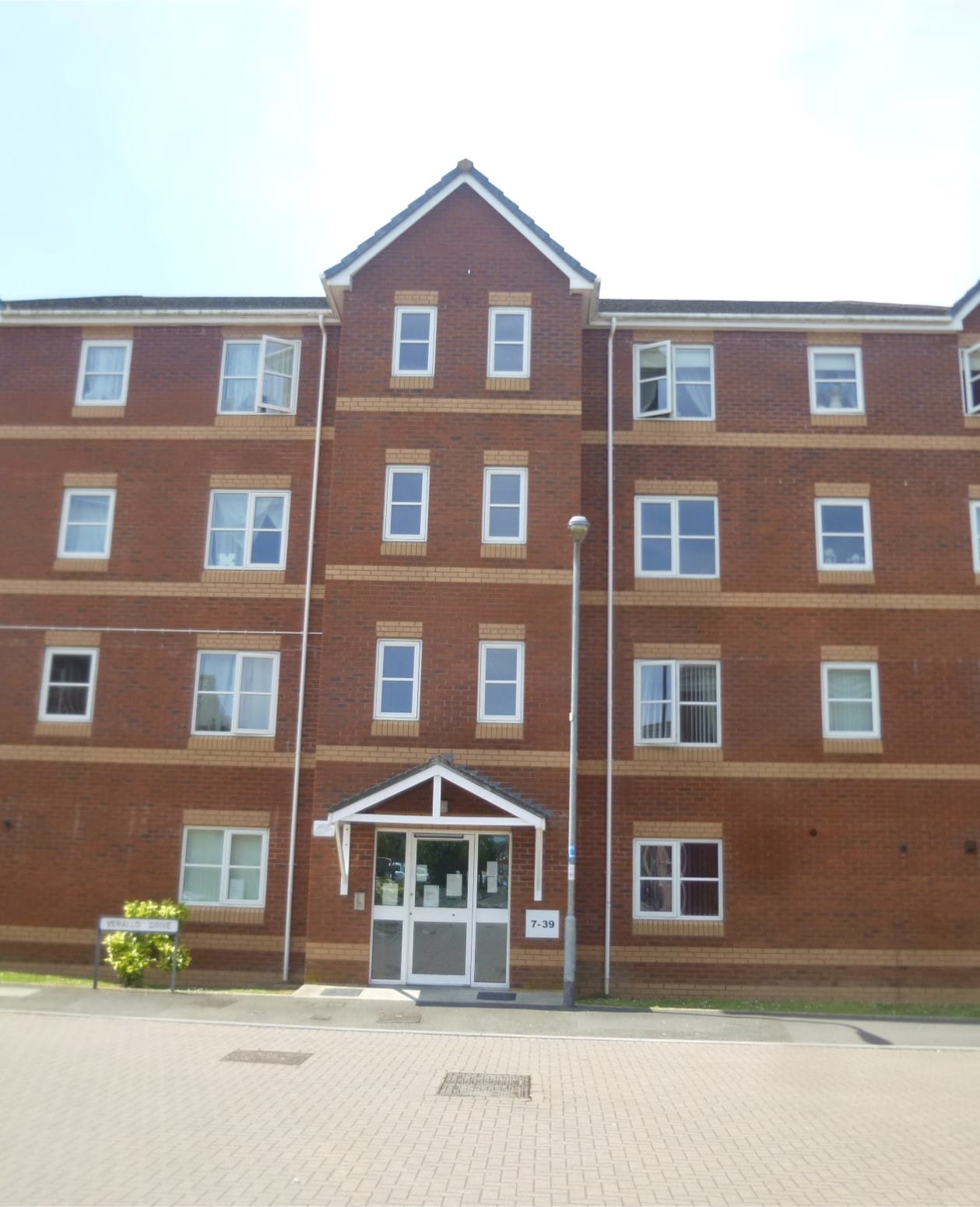
Verallo Drive, Cardiff
The Project: To repair existing cracking as a result of thermal movement and install additional movement joints to this brick built residential accommodation complex.
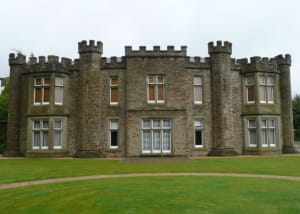
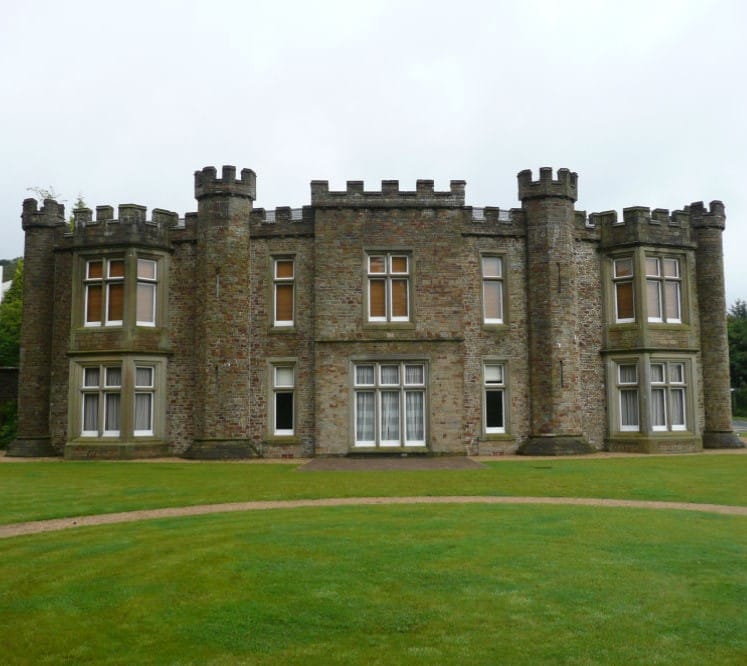
Clyne Castle, Swansea
The Project: To undertake a series of sympathetic roof timber repairs to this grade II listed castellated mansion as part of a wider refurbishment.

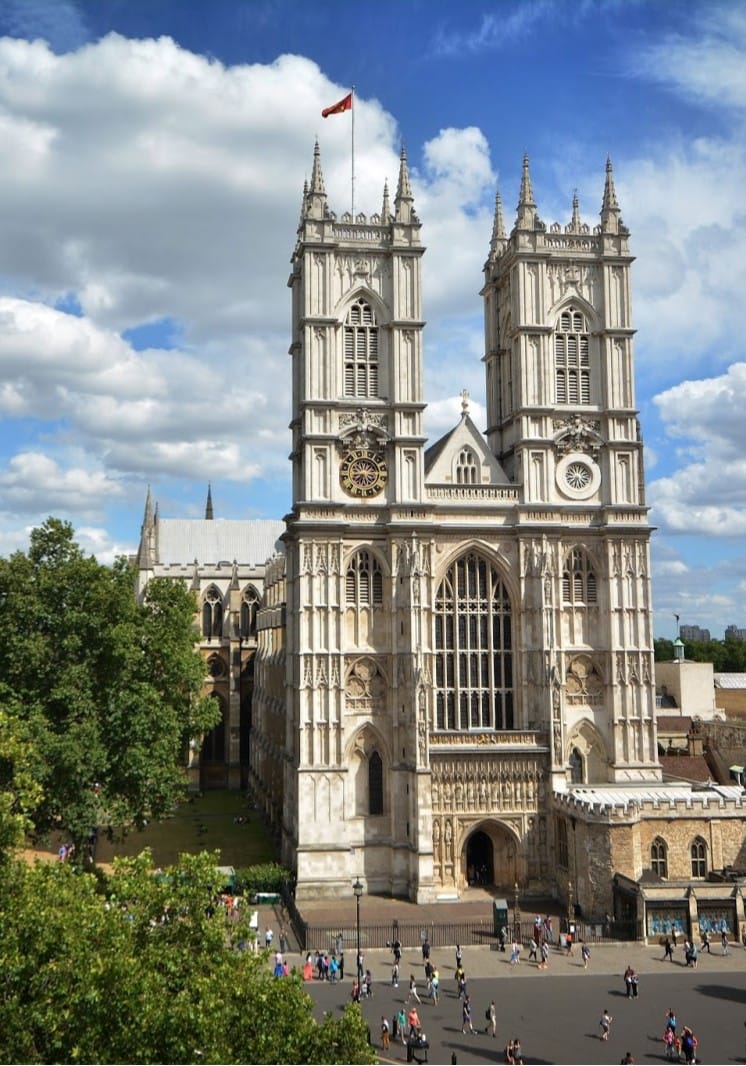
Westminster Abbey, London
The Project: To repair several large cracks that had appeared within a medieval wall on the grounds of the historic Westminster Abbey.

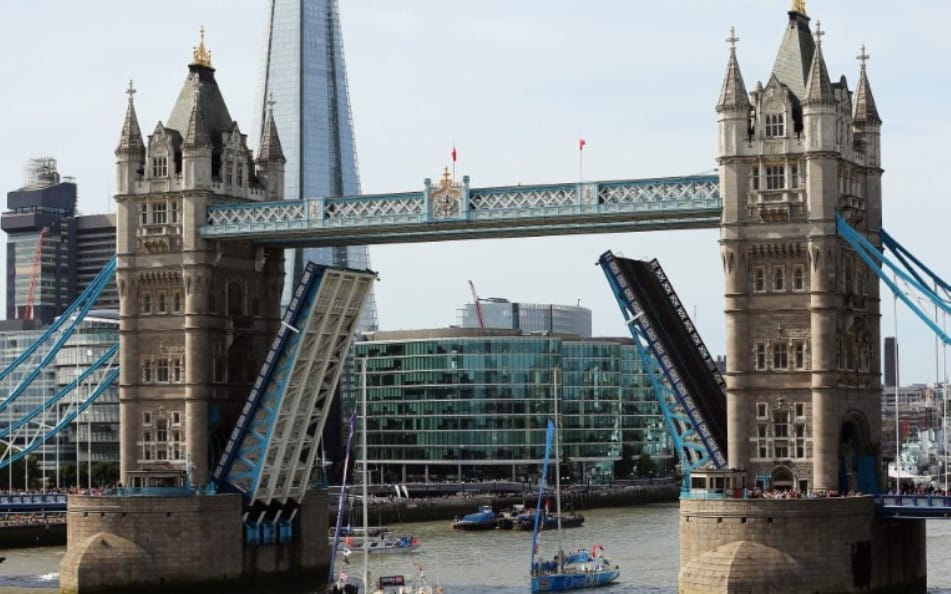
Tower Bridge, London
The Project: Structural anchoring to facilitate coping stone consolidation on the South West corner of the world famous Tower Bridge, London.
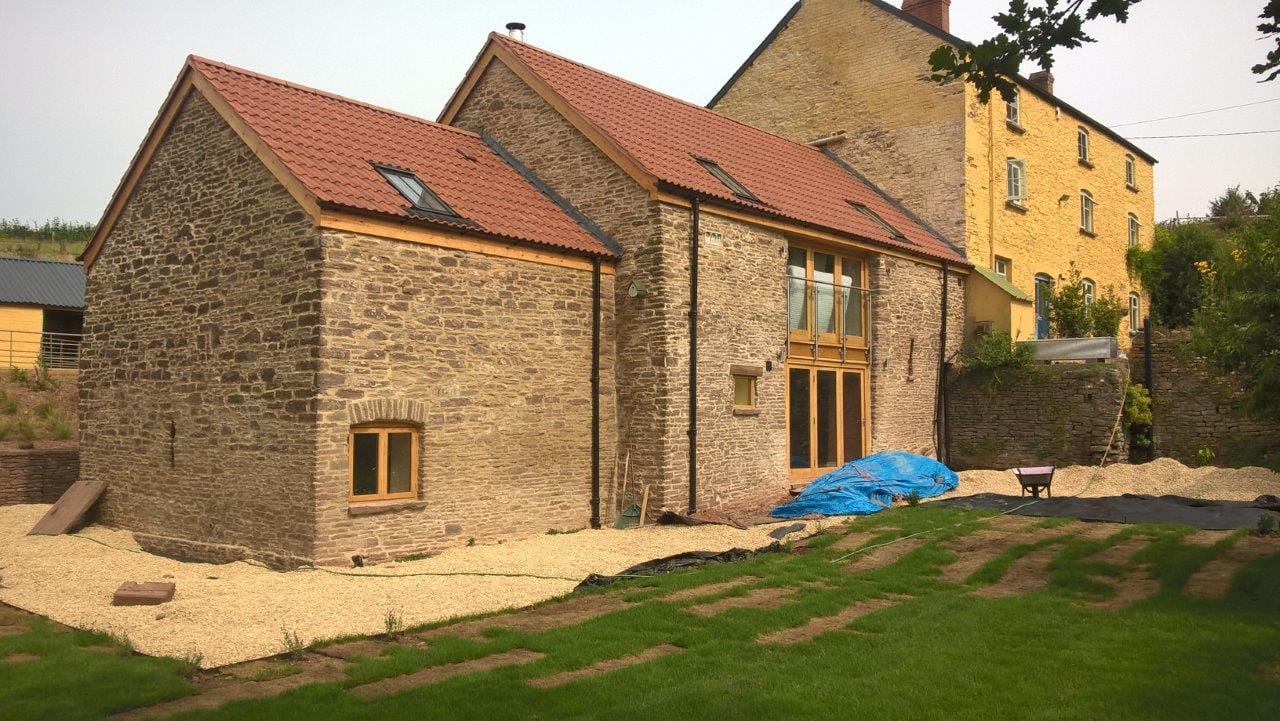
B&B Barn Conversion, Usk, Monmouthshire
The Project: New B&B retreat to rural Monmouthshire as Barn Conversion popularity continues to grow. Extensive structural repair works were required to stabilise and consolidate […]
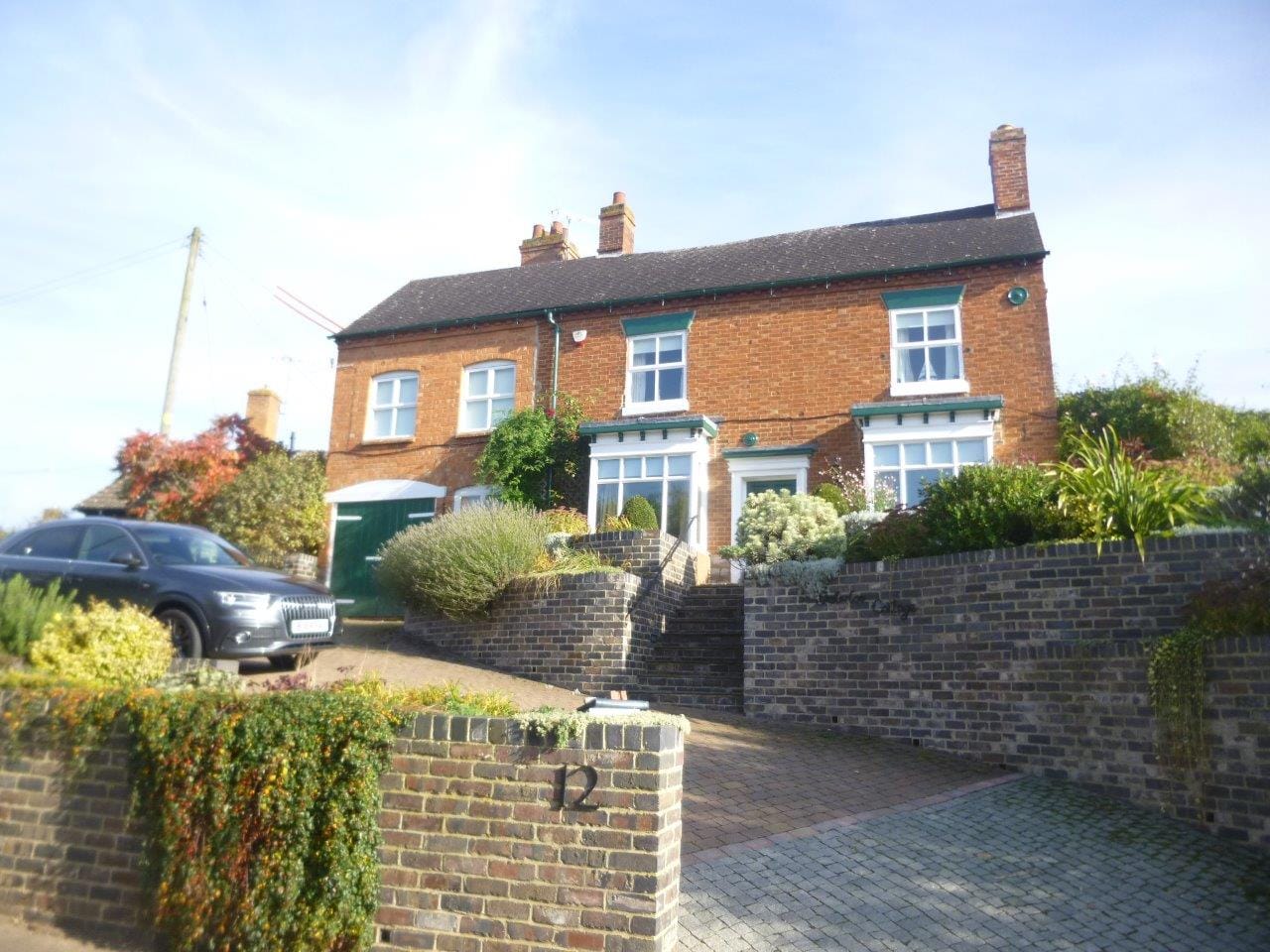
The Cottage, Bidford-on-Avon, Warwickshire
The Project: To consolidate, and arrest further movement of, the rear elevation of this stone and brick built 150 year old cottage.
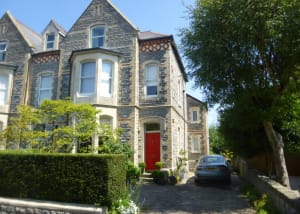
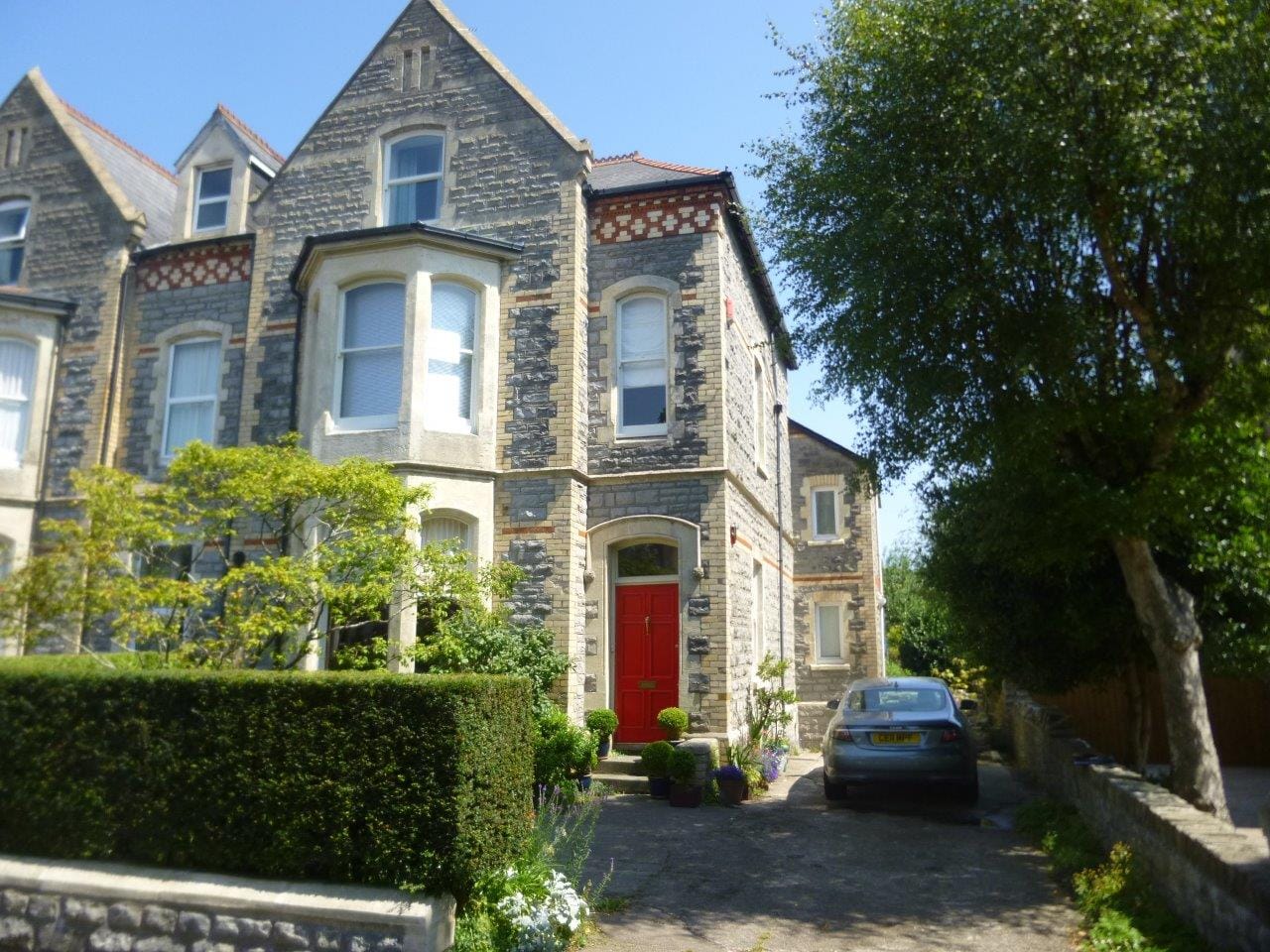
Plymouth Road, Penarth – Crack Stitching & Consolidation
Protectahome were asked to inspect this three storey, semi-detached stone property in South Wales. The property is over 100 years old, constructed from Blue Lias Limestone and was suffering from cracking...
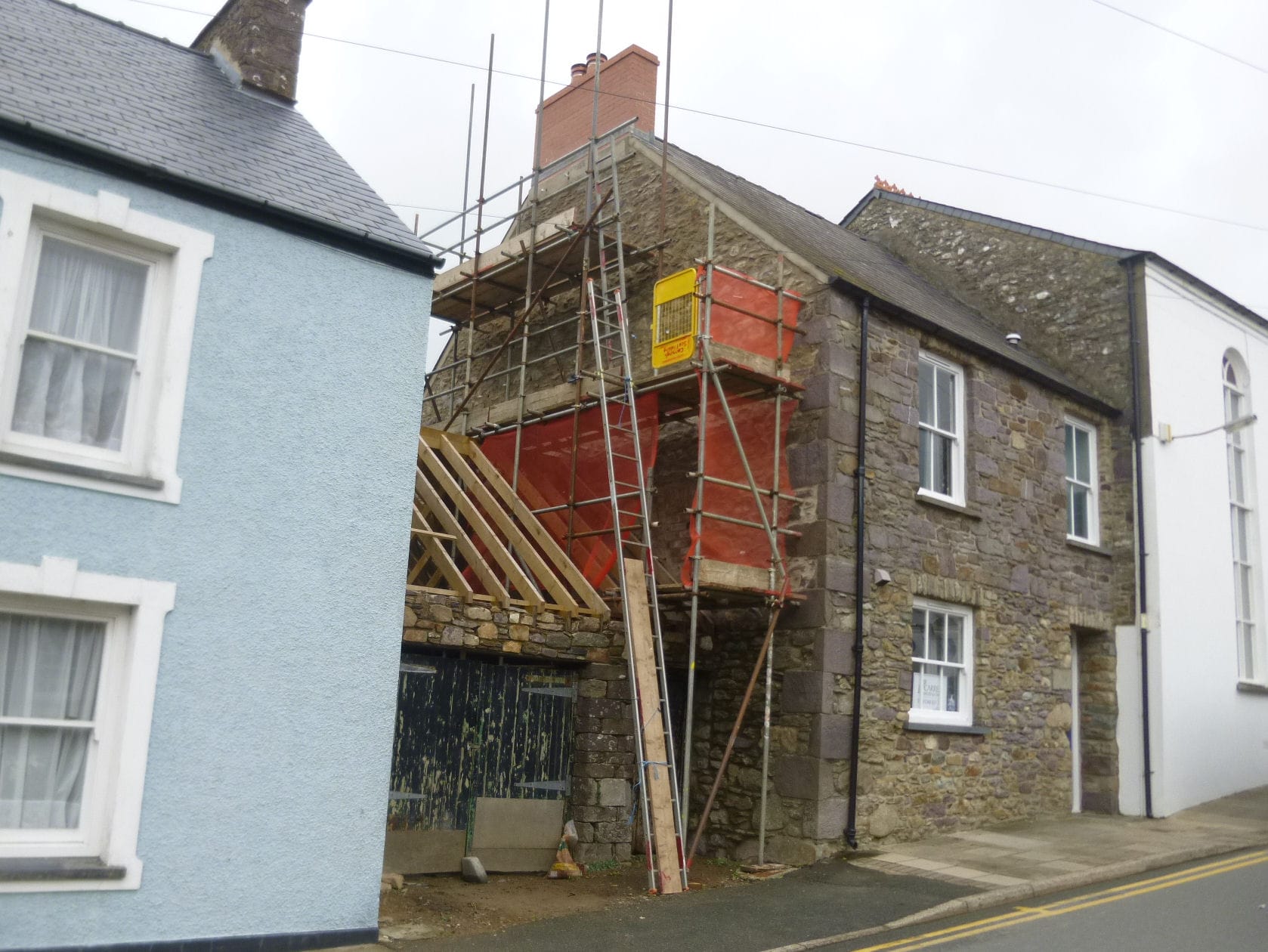
Goat Street, St David’s, West Wales
This 150 year old, semi-detached property was suffering from separation between the gable end wall and the front and rear elevations at 1st floor and attic floor levels. The property, located in St. David's, West Wales, the smallest city in the UK.
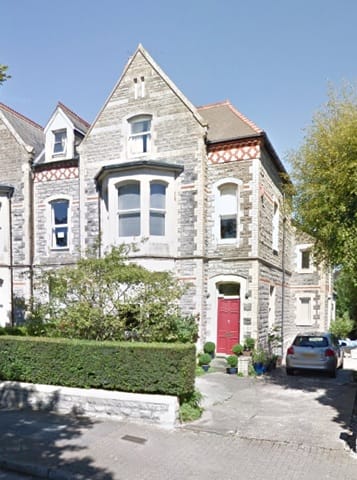
Plymouth Road, Penarth – Lateral Restraint
Protectahome were asked to inspect this three storey, semi-detached stone property in South Wales. The property is over 100 years old, constructed from Blue Lias […]